Fast and reliable delivery has become one of the biggest factors influencing customer satisfaction. People no longer compare businesses only by product quality or pricing. They also judge brands by how quickly and smoothly orders arrive at their doorstep. This shift has placed enormous pressure on logistics and supply chain operations, especially during the final stage of delivery known as the last mile delivery process.
Overview
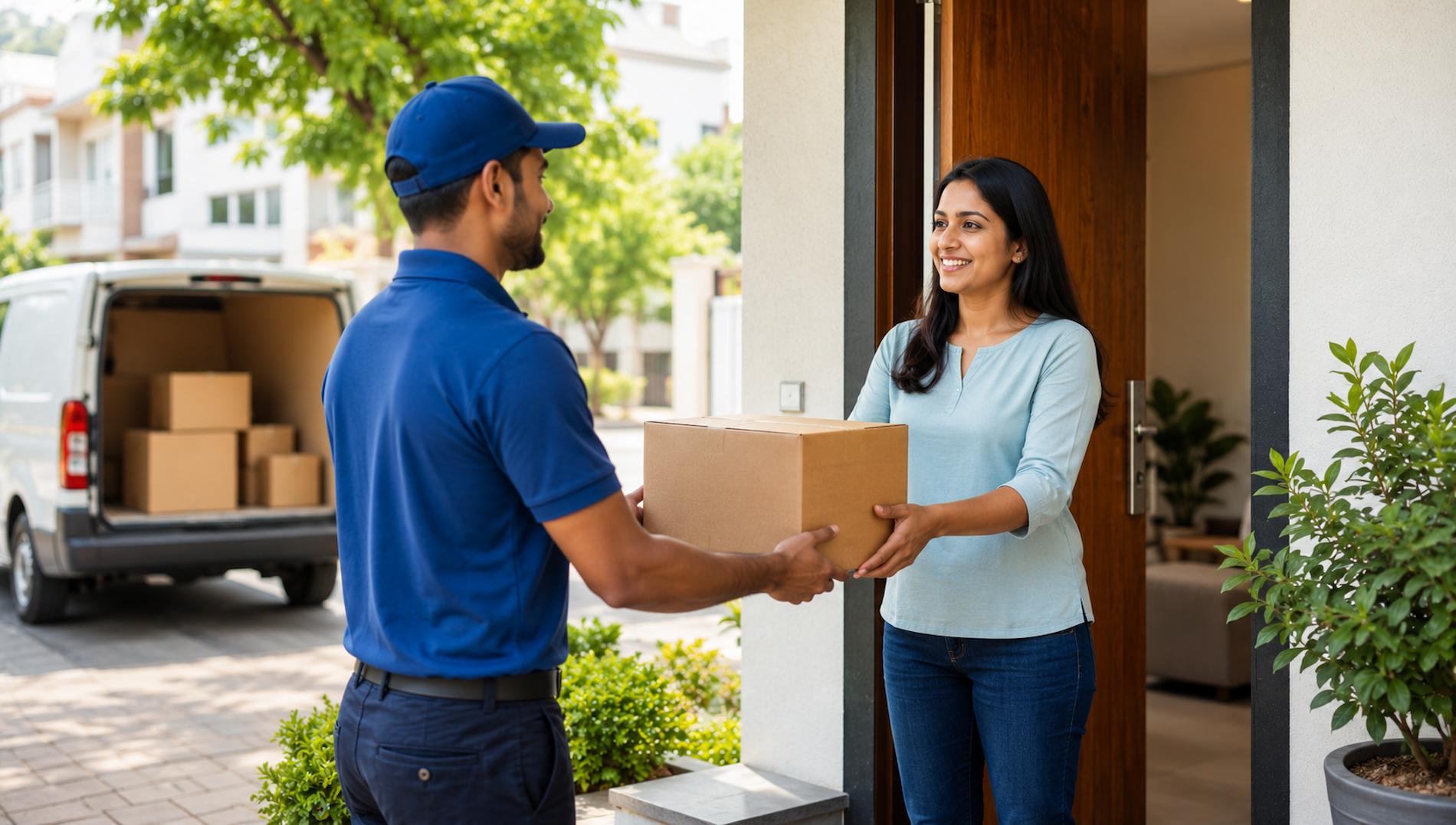
The last mile refers to the final journey of a package from a distribution hub or local fulfillment center to the customer. Although it covers the shortest physical distance in the shipping process, it is often the most expensive and time-sensitive part of delivery operations.
Businesses today are investing heavily in smarter last mile logistics strategies to improve delivery speed, lower transportation costs, and meet rising customer expectations.
This article explores how companies optimize last mile delivery operations, the challenges they face, and the strategies that create faster, more reliable customer experiences.
What Is Last Mile Delivery?
Last mile delivery is the final step in the supply chain process, where products move from a transportation hub or warehouse to the customer’s location.
This stage directly affects customer perception because it is the part of the process that customers experience most closely.
Even if inventory management and shipping operations run smoothly, delayed or inaccurate final delivery can damage trust and customer loyalty.
Why Last Mile Delivery Matters
Efficient last mile operations help businesses:
- Improve delivery speed
- Increase customer satisfaction
- Reduce failed deliveries
- Lower transportation costs
- Build customer loyalty
- Strengthen brand reputation
As online shopping continues growing, businesses must manage higher delivery volumes while maintaining speed and accuracy.
The Impact of E-Commerce Growth on Delivery Operations
The rapid rise of e-commerce logistics has transformed customer expectations.
Consumers now expect:
- Same-day delivery
- Next-day shipping
- Real-time order tracking
- Flexible delivery windows
- Accurate delivery updates
Large online retailers have set high standards that influence customer expectations across nearly every industry.
As a result, even smaller businesses must improve delivery performance to remain competitive.
Growing Delivery Volumes
Online shopping has increased the number of residential deliveries significantly.
Unlike bulk shipments sent to retail stores, e-commerce orders often involve:
- Smaller package sizes
- More frequent deliveries
- Multiple delivery destinations
- Increased return shipments
This creates added pressure on transportation networks and delivery teams.
Route Optimization Improves Delivery Speed
One of the most effective last mile delivery strategies is route optimization.
Delivery drivers lose valuable time when routes are inefficient, especially in crowded urban areas with heavy traffic and frequent stops.
How Route Optimization Works
Route optimization software analyzes:
- Traffic conditions
- Delivery locations
- Road closures
- Weather conditions
- Delivery priorities
- Driver schedules
The system then creates the fastest and most fuel-efficient delivery routes.
Benefits of Route Optimization
Businesses using optimized routes often achieve:
- Faster delivery times
- Reduced fuel costs
- Lower vehicle wear
- Improved driver productivity
- Fewer delayed deliveries
Efficient routing also helps businesses handle more deliveries without increasing fleet size.
Local Fulfillment Centers Speed Up Deliveries
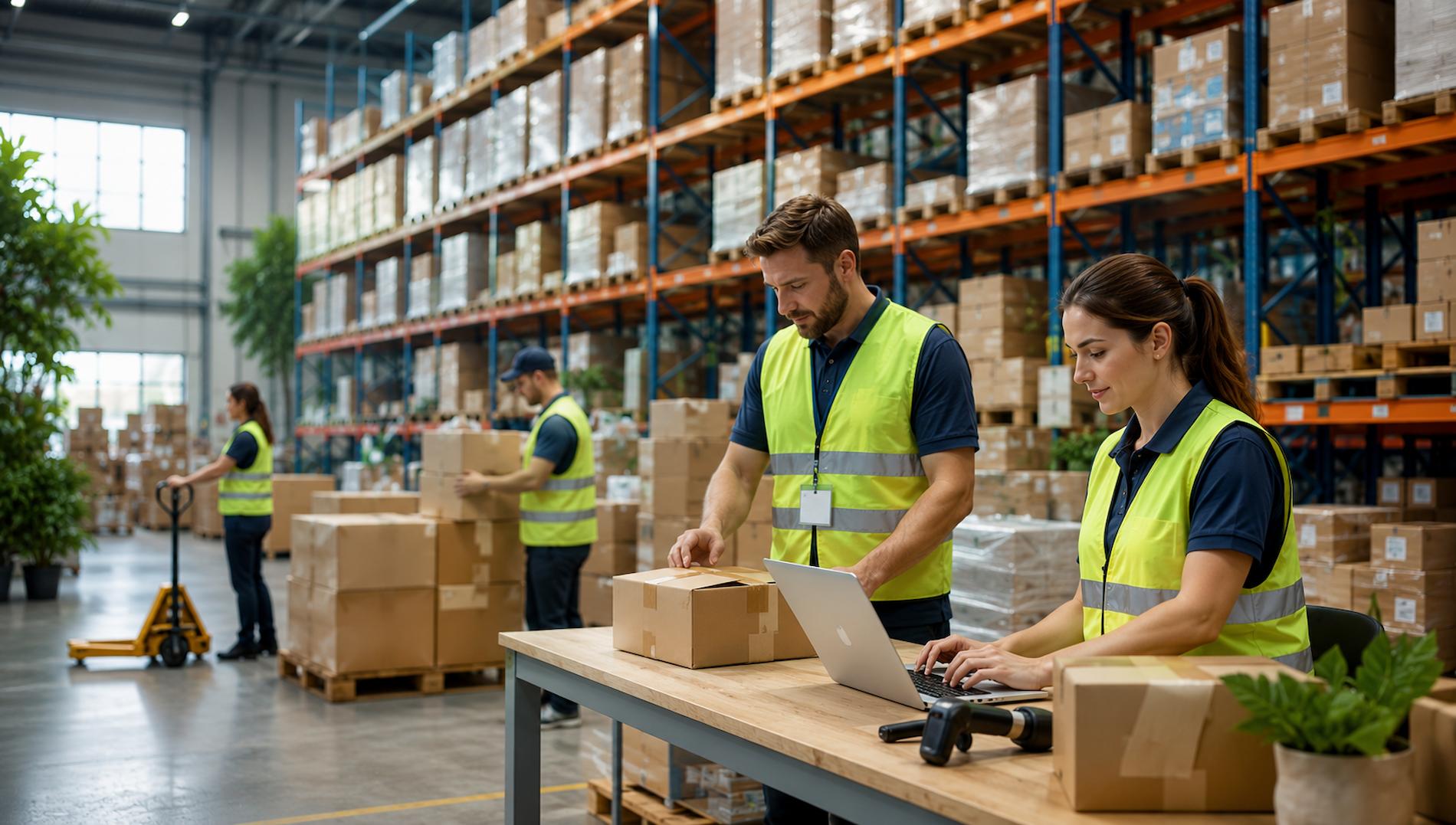
Businesses are increasingly using local fulfillment centers to move products closer to customers.
Instead of shipping orders from one large national warehouse, companies distribute inventory across smaller regional facilities.
Why Local Fulfillment Matters
Products stored closer to customers can be delivered much faster.
This helps businesses:
- Reduce shipping distances
- Lower transportation expenses
- Offer same-day delivery
- Improve delivery reliability
- Handle regional demand more efficiently
Local fulfillment centers are especially important in densely populated cities where customers expect rapid delivery.
Micro Fulfillment Centers
Some retailers now use small urban warehouses called micro fulfillment centers.
These facilities support:
- Faster local deliveries
- Efficient inventory management
- Reduced congestion around major warehouses
Micro fulfillment models continue gaining popularity as delivery demand increases.
Real-Time Delivery Tracking Builds Customer Trust
Customers want visibility throughout the delivery process.
One of the simplest ways to improve customer experience is by providing accurate delivery tracking technology.
Benefits of Real-Time Tracking
Modern tracking systems allow customers to:
- Monitor package location
- Receive estimated delivery times
- Get delay notifications
- Track driver progress
- Receive proof of delivery
This transparency reduces customer frustration and support inquiries.
Why Communication Matters
Customers are often more accepting of delays when they receive timely updates.
Clear communication improves trust and creates a smoother delivery experience, even during unexpected disruptions.
Fast Delivery Requires Smart Inventory Planning
Fast shipping depends heavily on inventory availability.
A business cannot promise quick delivery if products are out of stock or located too far from customers.
Inventory Strategies That Support Fast Delivery
Businesses improve speed by:
- Forecasting demand accurately
- Positioning inventory strategically
- Monitoring stock levels in real time
- Using warehouse management systems
- Reducing inventory shortages
Smart inventory planning prevents delays before the shipping process even begins.
Sustainable Transportation Improves Efficiency
Sustainability is becoming an important part of modern delivery operations.
Customers increasingly prefer businesses that reduce environmental impact while maintaining efficient service.
Popular Sustainable Delivery Methods
Many companies now use:
- Electric delivery vehicles
- Bicycle couriers
- Route consolidation
- Eco-friendly packaging
- Alternative fuel fleets
Business Benefits of Sustainable Logistics
Sustainable transportation strategies can help businesses:
- Lower fuel expenses
- Reduce emissions
- Improve public image
- Meet environmental goals
- Increase operational efficiency
Electric vehicles are particularly useful for short urban delivery routes where fuel consumption is typically high.
Common Last Mile Delivery Challenges
Despite major technology improvements, last mile logistics still presents several ongoing challenges.
Rising Fuel Costs
Fuel prices directly affect transportation expenses.
Long delivery routes, traffic congestion, and failed delivery attempts all increase fuel consumption.
Businesses must constantly balance speed with cost efficiency.
Urban Traffic Congestion
Dense cities create major delivery obstacles.
Traffic delays can lead to:
- Missed delivery windows
- Driver inefficiency
- Increased operating costs
- Poor customer experiences
Urban congestion also limits parking and loading access for delivery vehicles.
Customer Expectations Continue Rising
Customers increasingly expect:
- Faster shipping
- Flexible delivery scheduling
- Free delivery options
- Real-time tracking
- Instant communication
Meeting these expectations consistently requires strong logistics coordination and technology investment.
Failed Deliveries
Missed deliveries increase operational costs significantly.
Businesses may need to:
- Attempt repeat deliveries
- Redirect packages
- Handle customer complaints
- Process refunds or returns
Reducing failed delivery attempts is a major priority for logistics teams.
Strategies to Ensure Faster and More Reliable Delivery
Businesses that consistently deliver positive customer experiences often follow several proven strategies.
Use Predictive Analytics
Predictive analytics helps businesses anticipate demand, traffic patterns, and delivery delays.
This allows companies to prepare inventory and staffing more effectively.
Offer Flexible Delivery Windows
Giving customers delivery time options reduces failed deliveries and improves convenience.
Some businesses also allow customers to reschedule deliveries easily through mobile apps.
Improve Driver Communication
Drivers need accurate delivery instructions, route updates, and customer information in real time.
Better communication improves efficiency and reduces delays.
Confirm Orders Quickly
Fast order confirmation helps customers feel confident that their purchase is being processed immediately.
Automated systems can send:
- Order confirmations
- Shipping updates
- Estimated arrival times
- Delivery notifications
Use Delivery Performance Data
Businesses should continuously monitor:
- Delivery times
- Failed delivery rates
- Fuel usage
- Customer feedback
- Route efficiency
Analyzing delivery data helps identify operational weaknesses and improvement opportunities.
The Role of Automation in Last Mile Logistics
Automation is becoming a major part of modern logistics operations.
Businesses use automation to improve consistency and reduce manual processes.
Examples of Delivery Automation
Common automation tools include:
- AI-powered route planning
- Automated dispatch systems
- Smart delivery lockers
- Drone delivery testing
- Autonomous delivery vehicles
While some technologies are still developing, automation already plays an important role in improving logistics efficiency.
Customer Experience Is the True Competitive Advantage
Fast shipping alone does not guarantee customer satisfaction.
The overall delivery experience matters just as much.
Customers remember:
- Accurate delivery estimates
- Friendly communication
- Reliable service
- Smooth returns
- Transparent tracking
Businesses that consistently deliver positive experiences often build stronger long-term customer relationships.
In competitive markets, excellent delivery service can become a major brand differentiator.
The Future of Last Mile Delivery
Last-mile logistics will continue evolving as technology, customer expectations, and urban infrastructure change.
Future trends may include:
-
- Expanded drone delivery
- AI-powered logistics planning
- Smart city delivery systems
- Contactless delivery solutions
- Increased warehouse automation
- Sustainable urban transportation networks
Businesses that adapt early will likely gain stronger operational efficiency and customer loyalty.
Conclusion
Efficient last-mile delivery strategies play a critical role in improving customer satisfaction, reducing operational costs, and strengthening supply chain performance.
From route optimization and local fulfillment centers to delivery tracking technology and sustainable transportation methods, businesses now have more tools than ever to improve delivery operations. As e-commerce growth continues, with increasing delivery demand, companies must focus on speed, accuracy, communication, and operational efficiency to stay competitive.
The businesses that succeed in last mile logistics are not simply moving packages faster. They are creating reliable, transparent, and customer-focused delivery experiences that build long-term trust and loyalty.