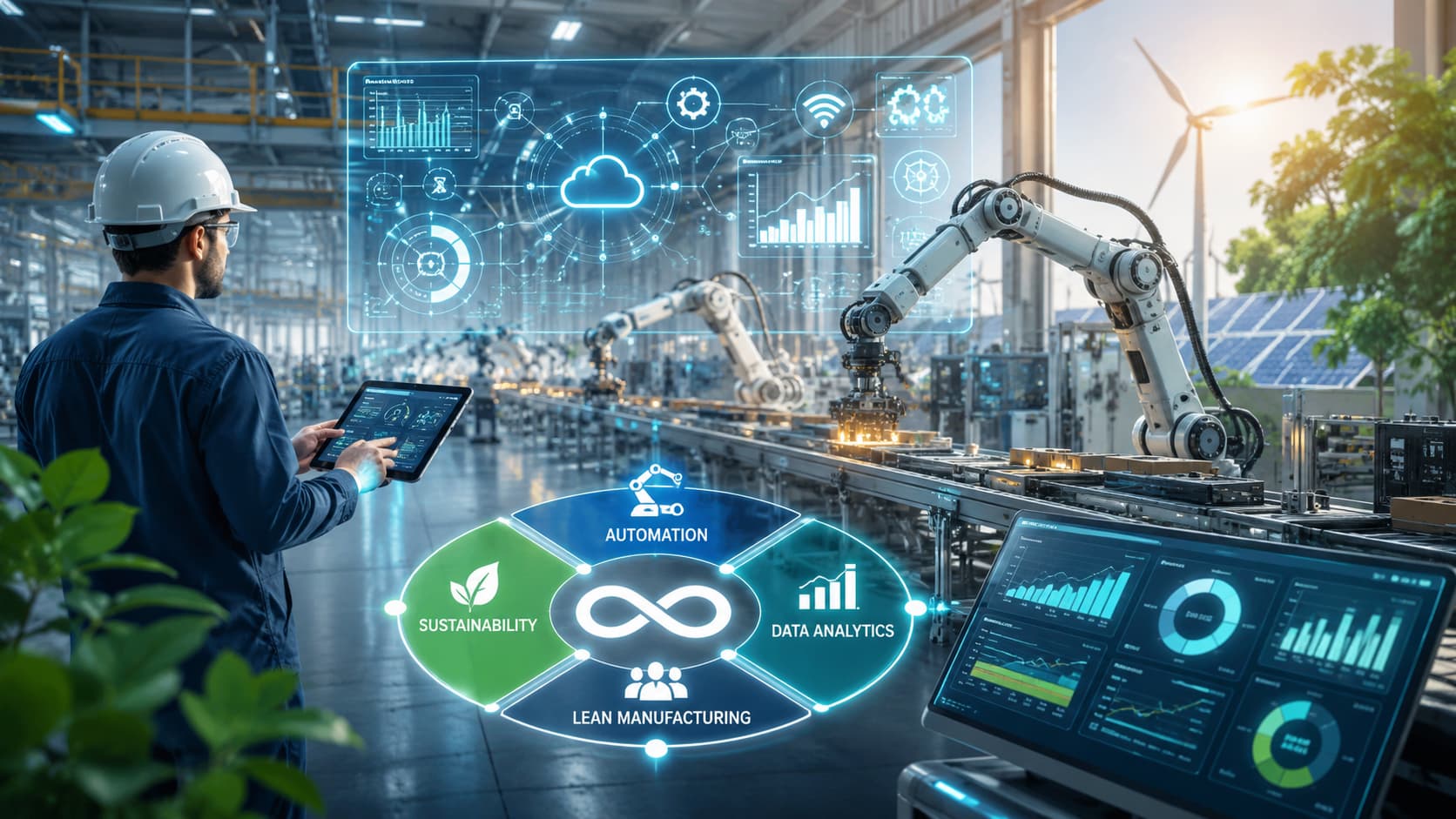
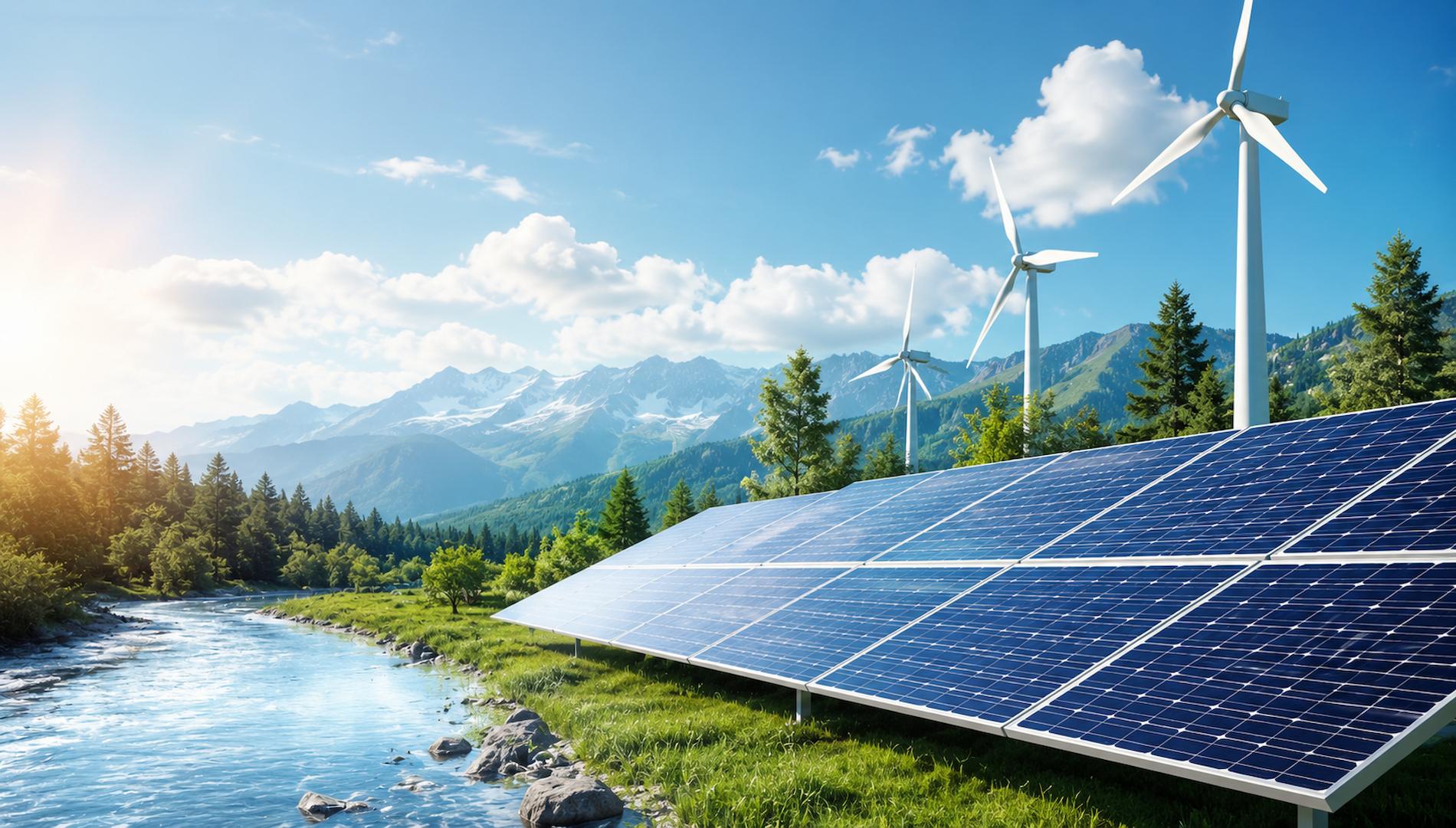
Energy is no longer just about keeping the lights on. Today, businesses, homeowners, and entire communities want power solutions that are affordable, reliable, and environmentally responsible. That shift is driving massive growth in renewable energy systems worldwide.
From rooftop solar panels to large-scale battery storage facilities, modern energy technologies are changing how electricity is produced, stored, and consumed. What once seemed like an alternative option has become a practical long-term investment for many industries and households.
As energy costs continue to fluctuate and climate concerns gain attention, renewable systems are helping people gain greater control over their power usage while reducing dependence on fossil fuels.
What Are Renewable Energy Systems?
Renewable energy systems are technologies that generate electricity or heat using naturally replenished resources. Unlike coal, oil, or natural gas, these resources do not run out over time.
The most common renewable energy sources include:
- Solar energy
- Wind power
- Hydroelectric energy
- Geothermal energy
- Biomass energy
Most modern systems focus on converting natural energy into usable electricity through advanced equipment and digital energy management tools.
For example, solar panels capture sunlight and convert it into electricity through photovoltaic cells. Wind turbines generate power by using moving air to rotate turbine blades connected to generators.
Many systems now include battery storage, allowing users to store excess electricity for later use rather than sending it back to the grid immediately.
Why Renewable Energy Is Growing So Quickly
Several major factors are driving the rapid adoption of renewable energy solutions.
Lower Energy Costs
One of the biggest reasons people switch to renewable energy is cost savings. Traditional utility rates continue to rise in many regions, making long-term energy planning difficult for businesses and homeowners.
Solar and wind systems can significantly reduce monthly electricity bills after installation. Over time, many systems pay for themselves through energy utility savings alone.
Commercial facilities especially benefit from predictable operating costs. Instead of relying entirely on utility pricing, organizations can generate part or all of their own electricity.
Improved Technology
Renewable energy technology has improved dramatically over the last decade. Modern solar panels are more efficient, batteries last longer, and smart monitoring software gives users real-time control over energy usage.
Today’s systems are also easier to install and maintain. This makes renewable energy accessible to more people than ever before.
Environmental Awareness
Consumers and businesses increasingly want cleaner energy options that reduce environmental impact. Renewable systems help lower greenhouse gas emissions and reduce air pollution associated with fossil fuels.
Companies that adopt clean energy also strengthen their sustainability goals and improve their public image.
Government Incentives
Many governments offer financial incentives to encourage the adoption of renewable energy. These may include:
- Tax credits
- Rebates
- Net metering programs
- Low-interest financing
- Business grants
These incentives help lower upfront installation costs and improve return on investment.
The Growing Impact of Solar Energy
Among all renewable technologies, solar energy remains one of the fastest-growing power solutions worldwide.
Residential solar systems allow homeowners to produce electricity directly from their rooftops. Commercial solar installations help businesses offset large operational energy expenses.
Several factors make solar especially attractive:
- Falling equipment costs
- Long equipment lifespan
- Minimal maintenance
- Scalability for small or large properties
- Compatibility with battery storage
Modern solar panels can continue generating electricity for 25 years or more with proper maintenance.
In many areas, solar users can also earn credits for surplus electricity sent back to the utility grid through net metering programs.
This combination of savings and energy independence makes solar a practical long-term investment.
How Wind Power Supports Modern Infrastructure
Wind energy plays a major role in large-scale renewable electricity generation. Wind farms can produce substantial amounts of power while occupying relatively small ground footprints.
Unlike traditional power plants, wind turbines generate electricity without burning fuel or producing direct emissions.
Wind power is particularly valuable in:
- Rural communities
- Coastal regions
- Industrial energy projects
- Utility-scale energy production
Advancements in turbine design have improved efficiency and reduced operational costs. Modern turbines can generate electricity even at lower wind speeds, expanding the range where wind farms can operate effectively.
Many regions now combine wind and solar energy to create more balanced and reliable clean energy production throughout the day.
The Importance of Battery Storage Systems
One challenge with renewable energy is that power generation depends on weather conditions. Solar panels produce less electricity at night, while wind output changes with wind speed.
This is where energy storage solutions become essential.
Battery storage systems allow users to store unused electricity and access it later when demand increases or generation decreases.
Benefits of battery storage include:
- Backup power during outages
- Reduced grid dependence
- Better energy management
- Lower peak electricity costs
- Increased renewable energy efficiency
Lithium-ion batteries currently dominate the market because they offer strong performance and long operational life.
As battery technology improves, storage systems are becoming more affordable and more widely used in homes, businesses, and utility projects.
What Are Hybrid Energy Solutions?
Hybrid energy systems combine multiple renewable technologies to improve reliability and efficiency.
For example, a hybrid system may include:
- Solar panels
- Wind turbines
- Battery storage
- Grid connection
- Smart energy controls
These systems help balance energy production throughout changing weather conditions and energy demand cycles.
Hybrid solutions are especially useful for:
- Remote locations
- Agricultural operations
- Manufacturing facilities
- Hospitals
- Data centers
Many organizations use hybrid systems to strengthen energy resilience while reducing long-term operational expenses.
Renewable Energy and Energy Independence
Energy independence has become an important priority for many countries, businesses, and homeowners.
Traditional power systems often rely on centralized infrastructure and imported fossil fuels. This creates vulnerability to fuel shortages, price fluctuations, and grid disruptions.
Renewable energy systems offer more localized power generation. Homes and businesses can produce electricity on-site rather than relying entirely on external utility providers.
Benefits of greater energy independence include:
- More stable energy costs
- Better protection from outages
- Reduced reliance on imported fuels
- Increased local energy security
For remote communities, renewable systems can provide reliable electricity access where traditional grid expansion may be expensive or impractical.
Environmental Benefits of Clean Energy Technologies
The environmental impact of renewable energy is one of its strongest advantages.
Fossil fuel power generation contributes heavily to carbon emissions and air pollution. Renewable systems produce little to no direct greenhouse gas emissions during operation.
Major environmental benefits include:
Reduced Carbon Emissions
Switching to clean energy lowers overall carbon emissions and supports climate goals.
Improved Air Quality
Renewable systems reduce pollutants associated with coal and natural gas combustion.
Lower Water Consumption
Traditional power plants often require large amounts of water for cooling. Solar and wind systems use far less water during operation.
Reduced Resource Depletion
Renewable resources naturally replenish over time, making them more sustainable for long-term energy production.
As sustainability reporting becomes increasingly important for businesses, adopting renewable energy also helps organizations meet environmental compliance standards and investor expectations.
Smart Technology Is Changing Energy Management
Modern renewable systems are becoming smarter through digital monitoring and automation tools.
Smart energy management systems can:
- Track electricity production in real time
- Monitor consumption patterns
- Optimize battery usage
- Reduce unnecessary energy waste
- Automatically shift energy loads during peak pricing periods
Artificial intelligence and predictive analytics are also improving the performance of renewable systems.
For example, software can forecast weather conditions and adjust energy storage strategies to maximize efficiency.
These innovations make renewable systems more reliable and easier to manage for both residential and commercial users.
Challenges Renewable Energy Still Faces
Although renewable energy continues to grow rapidly, some challenges remain.
Upfront Installation Costs
Initial system installation can still require significant investment, especially for large commercial projects.
However, financing options and government incentives continue to improve affordability.
Grid Infrastructure Upgrades
Some electrical grids were not originally built to handle decentralized renewable power generation.
Modernizing infrastructure is necessary to support wider clean energy adoption.
Weather Dependence
Solar and wind generation vary based on environmental conditions.
Battery storage and hybrid systems help reduce this issue, but energy balancing remains important.
Supply Chain Demands
Growing global demand for batteries and renewable equipment increases pressure on manufacturing and raw material supply chains.
Despite these challenges, ongoing technological improvements continue making renewable energy more practical and cost-effective each year.
The Future of Renewable Energy Systems
Renewable energy is no longer viewed as a niche industry. It is becoming a central part of modern infrastructure planning worldwide.
Governments, corporations, and consumers increasingly recognize that clean energy offers both economic and environmental value.
Future growth is expected in areas such as:
- Advanced battery technology
- Smart grid systems
- Community solar projects
- Electric vehicle integration
- AI-powered energy management
- Decentralized power networks
As technology improves and costs continue to decline, renewable systems will likely become even more accessible for homes, businesses, and public infrastructure projects.
Conclusion
Renewable energy systems are transforming how modern society generates and uses electricity. Solar power, wind energy, battery storage, and hybrid solutions are helping to reduce energy costs while supporting cleaner, more reliable power generation.
Businesses gain stronger operational efficiency, homeowners achieve greater energy control, and communities benefit from more sustainable infrastructure. At the same time, advancements in smart technology and energy storage continue improving system performance and reliability.
As demand for cleaner energy grows worldwide, renewable systems will remain a major force shaping the future of power solutions.