Rising energy costs are pushing homeowners and businesses to rethink how they use electricity. Energy efficiency upgrades and solar power systems offer practical ways to lower utility bills, reduce waste, and support cleaner energy use. Together, these solutions create smarter, more sustainable buildings that deliver reliable savings and stronger long-term energy performance.
Why Energy Efficiency Matters More Than Ever
Energy prices continue to rise across residential and commercial sectors. At the same time, many people are becoming more aware of environmental concerns and the need for sustainable energy practices.
This shift has created growing interest in practical ways to reduce energy consumption without sacrificing comfort or productivity.
Energy efficiency is no longer just about lowering electricity bills. It also improves building performance, reduces strain on utility systems, and supports cleaner energy use across communities.
For homeowners, energy-efficient upgrades can make homes more comfortable and affordable to maintain. For businesses, lower energy consumption often leads to reduced operating costs and stronger long-term financial stability.
Combined with solar power systems, energy efficiency solutions create an even greater opportunity for long-term savings and environmental responsibility.
Key Takeaways
- Solar power helps reduce electricity costs through clean and renewable energy generation.
- Energy-efficient upgrades improve comfort, lower waste, and cut monthly utility expenses.
- LED lighting and smart automation systems improve operational efficiency in homes and businesses.
- Proper insulation reduces heating and cooling energy consumption year-round.
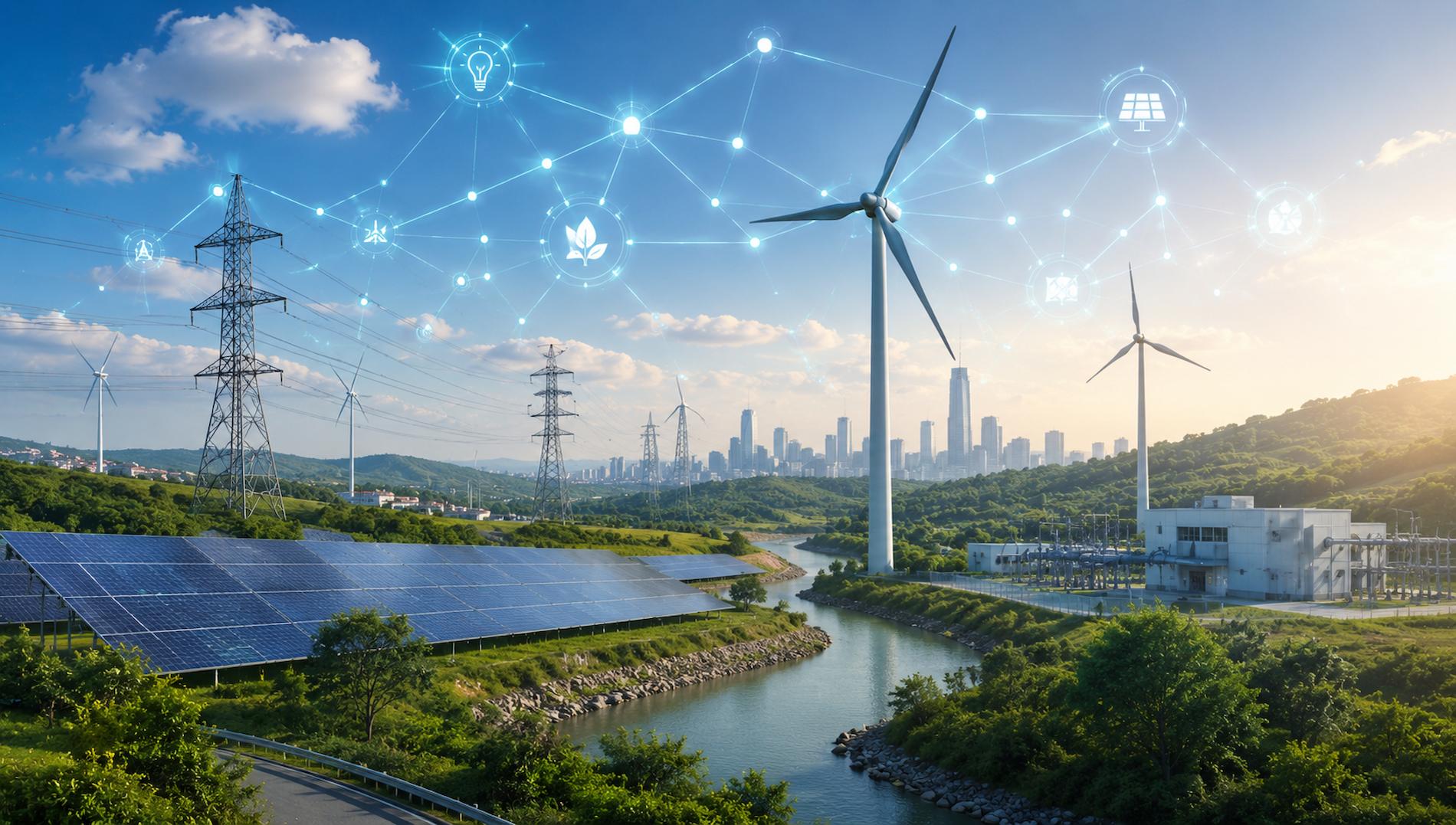
- Modern utility infrastructure supports renewable energy integration and grid reliability.
- Long-term energy savings often outweigh the initial cost of efficiency improvements and solar installations.
Understanding Solar Power and How It Works
Solar power converts sunlight into usable electricity through photovoltaic panels, commonly called solar panels.
These panels contain solar cells that absorb sunlight and generate direct current electricity. An inverter then converts this electricity into alternating current power that homes and businesses can use.
Any excess electricity generated by the system may flow back into the local utility grid through net metering programs, depending on regional policies.
Solar energy systems work quietly, require limited maintenance, and continue generating electricity for decades.
The growing popularity of renewable energy comes from several important benefits:
- Lower electricity bills
- Reduced dependence on fossil fuels
- Long-term energy cost stability
- Lower carbon emissions
- Increased property value
As utility prices continue rising, solar power gives consumers more control over energy expenses.
Financial Benefits of Solar Power Systems
One of the biggest reasons people invest in solar energy is long-term financial savings.
Although installation requires an upfront investment, many property owners recover those costs over time through lower monthly utility bills.
Reduced Electricity Costs
Solar panels generate electricity directly from sunlight, reducing the amount of power purchased from utility providers.
In some cases, households can offset most of their electricity usage during sunny periods.
Businesses with high daytime energy demand often experience especially strong savings because solar production typically peaks during working hours.
Protection Against Rising Energy Prices
Electricity rates rarely stay stable for long. Energy Utility costs often increase due to fuel prices, infrastructure upgrades, and growing demand.
Solar power helps protect consumers from unpredictable rate increases by producing independent energy onsite.
This creates more stable long-term operating costs.
Incentives and Tax Benefits
Many governments and local utilities offer financial incentives for solar installations.
These may include:
- Tax credits
- Rebates
- Net metering programs
- Performance-based incentives
- Financing options
These programs can significantly reduce installation costs and improve return on investment.
Energy Efficiency Solutions That Deliver Real Savings
While solar power reduces electricity generation costs, energy efficiency improvements lower the total amount of energy required in the first place.
This combination creates stronger savings and better overall energy performance.
Energy-Efficient Appliances
Older appliances often consume more electricity than modern high-efficiency models.
Replacing outdated systems with energy-efficient alternatives can reduce energy use significantly.
Common upgrades include:
- High-efficiency HVAC systems
- Energy-saving refrigerators
- Smart washing machines
- Efficient water heaters
- Low-energy commercial equipment
Many modern appliances include smart technology that adjusts energy usage automatically based on demand.
This improves efficiency without requiring constant user attention.
The Growing Importance of LED Lighting
Lighting remains one of the easiest and most affordable ways to improve energy efficiency.
Traditional incandescent bulbs waste a large amount of energy through heat. In contrast, LED lighting upgrades use far less electricity while lasting much longer.
LED technology provides several important benefits:
- Lower electricity consumption
- Reduced maintenance costs
- Longer lifespan
- Better lighting quality
- Lower cooling costs due to reduced heat output
Businesses often achieve noticeable utility savings after converting office buildings, warehouses, retail spaces, and parking areas to LED systems.
Homeowners also benefit from reduced monthly electricity bills and fewer bulb replacements.
Insulation and Building Envelope Improvements
Heating and cooling systems account for a large share of energy consumption in many buildings.
Poor insulation forces HVAC systems to work harder to maintain indoor temperatures.
Improving insulation can dramatically reduce energy waste.
Key Areas for Insulation Upgrades
Important areas include:
- Attics
- Exterior walls
- Floors
- Windows
- Doors
- Ductwork
Sealing air leaks and improving insulation helps maintain stable indoor temperatures year-round.
This reduces heating and cooling costs while improving indoor comfort.
Well-insulated buildings also place less stress on utility infrastructure during extreme weather conditions.
Building Automation Systems and Smart Energy Management
Technology now allows buildings to monitor and control energy usage more efficiently than ever before.
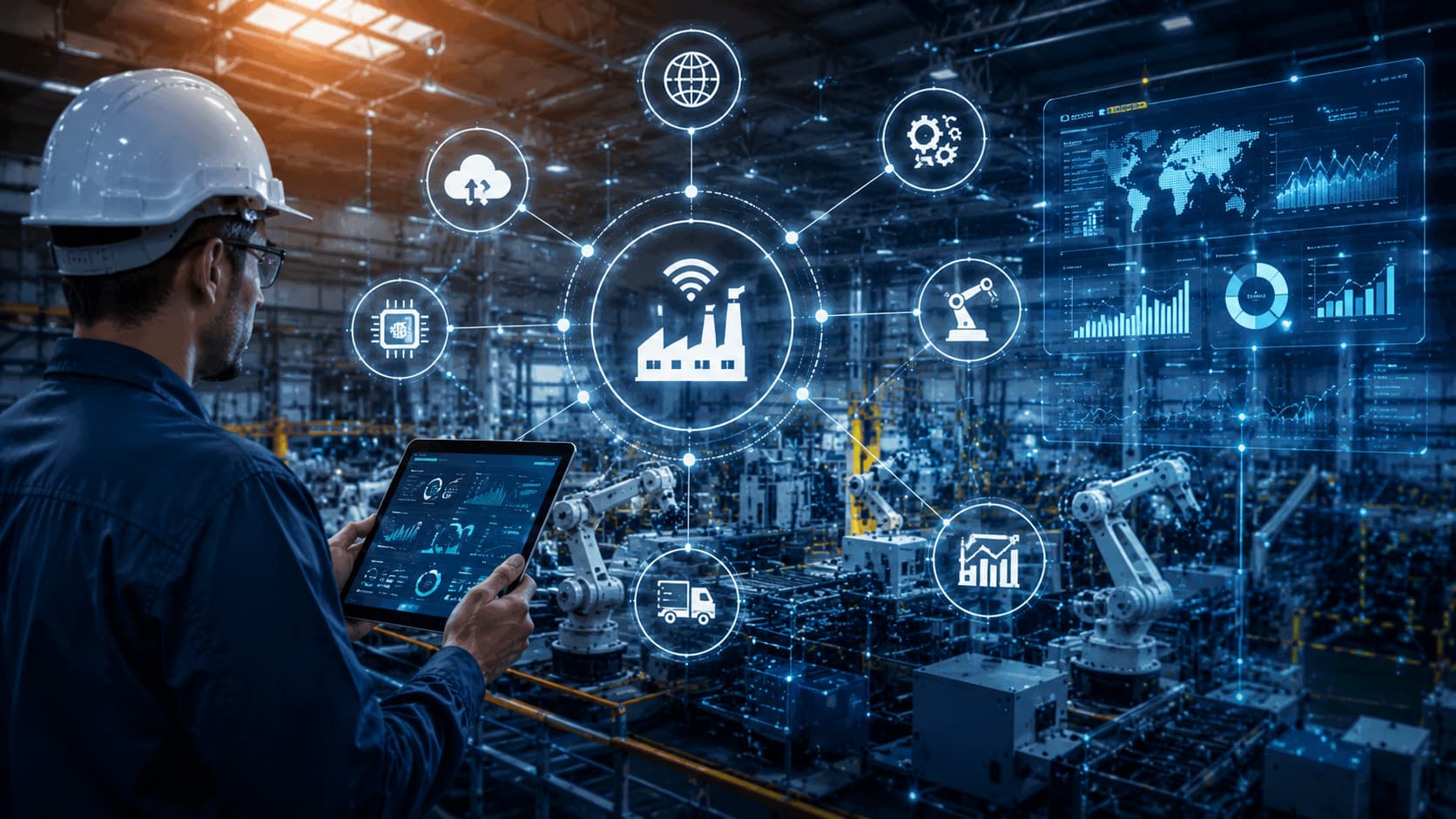
Building automation systems use sensors, software, and connected devices to manage lighting, heating, cooling, and ventilation automatically.
These systems adjust energy usage based on occupancy, temperature, and operational schedules.
For example:
- Office lights can switch off automatically when rooms are empty.
- Smart thermostats can reduce heating or cooling during non-business hours.
- Ventilation systems can respond to indoor air quality levels.
This level of control helps businesses reduce unnecessary energy use while improving operational efficiency.
For homeowners, smart home devices provide similar advantages through connected thermostats, lighting systems, and appliance controls.
Solar Power and Energy Efficiency Work Better Together
Some property owners focus only on installing solar panels without improving energy efficiency first.
However, combining both strategies often produces the strongest long-term results.
An energy-efficient building requires less electricity overall. This means smaller solar systems may meet a greater percentage of total energy demand.
For example:
- Better insulation reduces heating and cooling loads.
- LED lighting lowers electricity usage.
- Efficient appliances consume less power.
As total consumption drops, solar energy systems can cover a larger share of the remaining demand.
This creates faster financial savings and improves system performance.
Environmental Benefits Beyond Cost Savings
Financial savings are important, but energy efficiency and solar power also deliver meaningful environmental benefits.
Lower Carbon Emissions
Traditional electricity generation often relies on fossil fuels such as coal and natural gas.
Solar power generates electricity without direct greenhouse gas emissions.
Reducing electricity demand through efficiency improvements also lowers overall fuel consumption across utility systems.
Reduced Strain on Power Grids
High electricity demand places pressure on utility infrastructure, especially during extreme weather periods.
Energy-efficient buildings and distributed solar systems help reduce peak demand loads.
This supports grid stability and lowers the risk of service disruptions.
Cleaner Air and Improved Sustainability
Cleaner energy production contributes to improved air quality and reduced environmental impact.
Businesses that adopt sustainability practices may also strengthen brand reputation and meet growing customer expectations for environmental responsibility.
The Role of Utility Infrastructure Modernization
As more homes and businesses adopt solar power, utility providers must modernize aging infrastructure to support changing energy needs.
Utility infrastructure modernization includes upgrading transmission systems, smart grid technologies, and energy management tools.
These improvements help utilities:
- Manage renewable energy integration
- Improve outage response times
- Balance the electricity demand
- Increase grid reliability
- Support electric vehicle charging growth
Modern utility systems also allow better communication between consumers and energy providers.
This creates more flexible and responsive energy networks.
Common Questions About Solar Power and Energy Efficiency
Is Solar Power Worth the Investment?
For many homeowners and businesses, yes.
Long-term utility savings, tax incentives, and rising electricity prices often make solar systems financially attractive over time.
The value depends on factors such as location, electricity usage, and available incentives.
How Long Do Solar Panels Last?
Most solar panels last 25 years or longer with proper maintenance.
Performance may gradually decline over time, but systems continue producing electricity for decades.
What Is the Fastest Energy Efficiency Upgrade?
LED lighting is often one of the fastest and most affordable upgrades with immediate savings potential.
Insulation improvements and smart thermostats also provide quick energy reductions.
Can Older Buildings Become Energy Efficient?
Absolutely.
Many older buildings benefit significantly from insulation upgrades, efficient HVAC systems, lighting improvements, and smart energy controls.
Future Trends in Sustainable Energy Solutions
Energy technology continues evolving quickly.
Battery storage systems, advanced energy monitoring tools, and smarter utility networks are improving how electricity is generated and managed.
Electric vehicles are also increasing the demand for cleaner electricity solutions.
As sustainability goals grow stronger across industries, energy efficiency and solar adoption will likely continue expanding.
Businesses and homeowners who invest early may benefit from lower operating costs, stronger energy resilience, and greater long-term stability.
Conclusion
Energy efficiency improvements and solar power systems offer practical solutions for lowering utility costs, improving building performance, and supporting cleaner energy use. From LED lighting and insulation upgrades to smart automation and solar energy generation, these strategies create meaningful long-term savings. As energy demands continue rising, smarter and more sustainable energy choices will play an increasingly important role in homes, businesses, and communities everywhere.