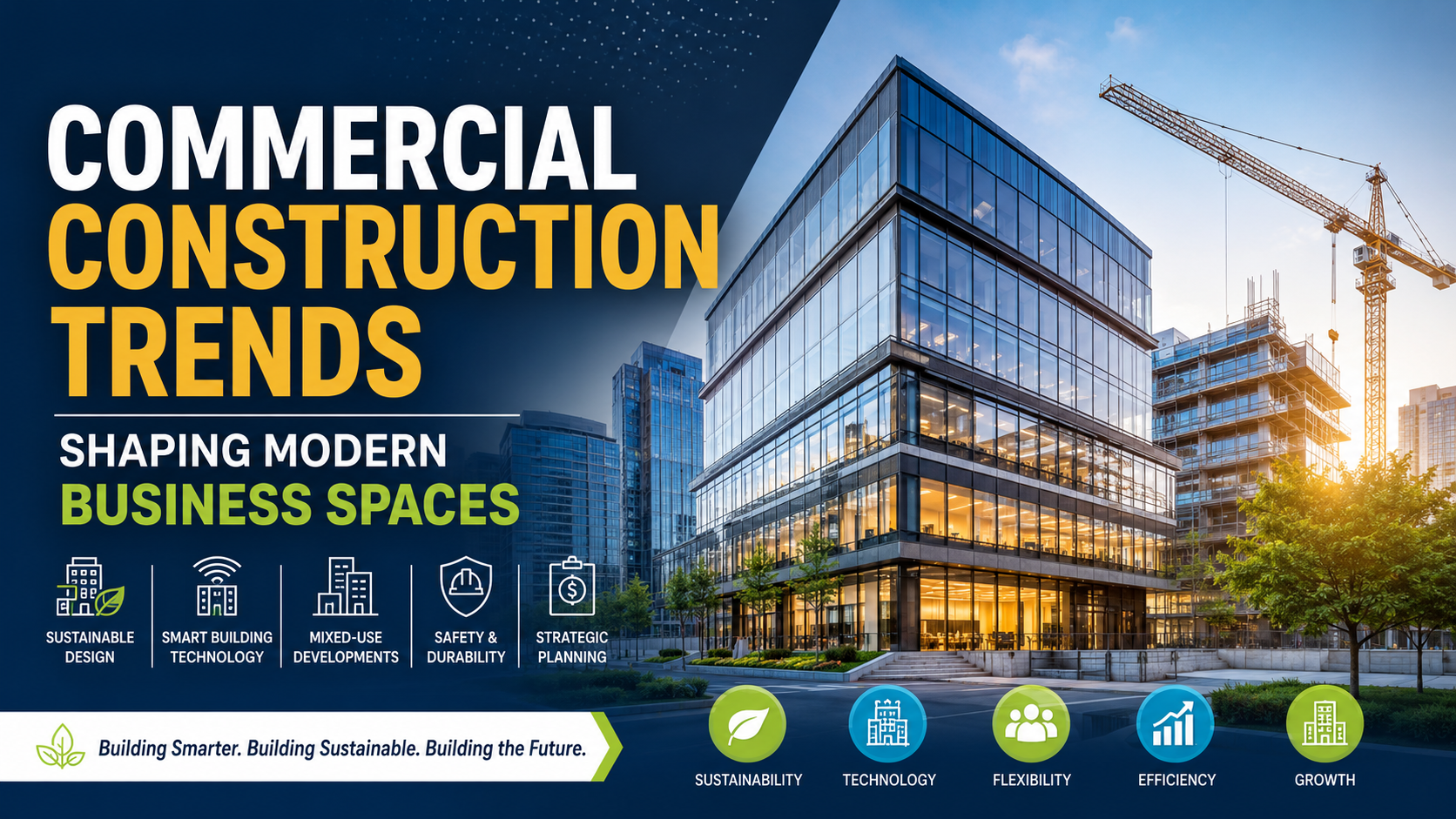
Discover how commercial construction trends are transforming modern business spaces through smart building technology, sustainable design, flexible office layouts, and energy-efficient infrastructure. Learn how developers and businesses are adapting to changing workplace needs, improving operational efficiency, and investing in durable commercial properties built for long-term growth. From mixed-use developments to advanced project planning strategies, these construction innovations continue shaping the future of commercial real estate and business environments.
Commercial construction is changing quickly. Businesses today want more than just functional buildings. They need spaces that support productivity, reduce operating costs, improve sustainability, and adapt to future growth. From smart office systems to energy-efficient retail developments, modern commercial buildings are being designed with long-term performance in mind.
Developers, property owners, and construction firms are also responding to changing workforce habits, environmental regulations, and advances in building technology. Flexible layouts, durable materials, and sustainable construction practices are no longer optional features. They are becoming standard expectations across the commercial real estate industry.
As companies continue investing in offices, retail centres, industrial facilities, and mixed-use developments, several construction trends are shaping how modern business spaces are planned and built.
The Shift Toward Flexible Commercial Spaces
One of the biggest changes in commercial construction is the demand for flexibility. Businesses want buildings that can evolve as their operations grow or change over time.
Modern office developments now include:
- Open floor plans
- Modular meeting rooms
- Multi-purpose work areas
- Hybrid work infrastructure
- Shared collaborative spaces
Retail construction is also adapting. Many commercial properties are being designed for mixed-use purposes, combining retail, office, dining, and residential spaces within one development.
This flexibility helps property owners maximize occupancy while giving businesses more freedom to customize their environments without major structural changes later.
Sustainability Is Driving Construction Decisions
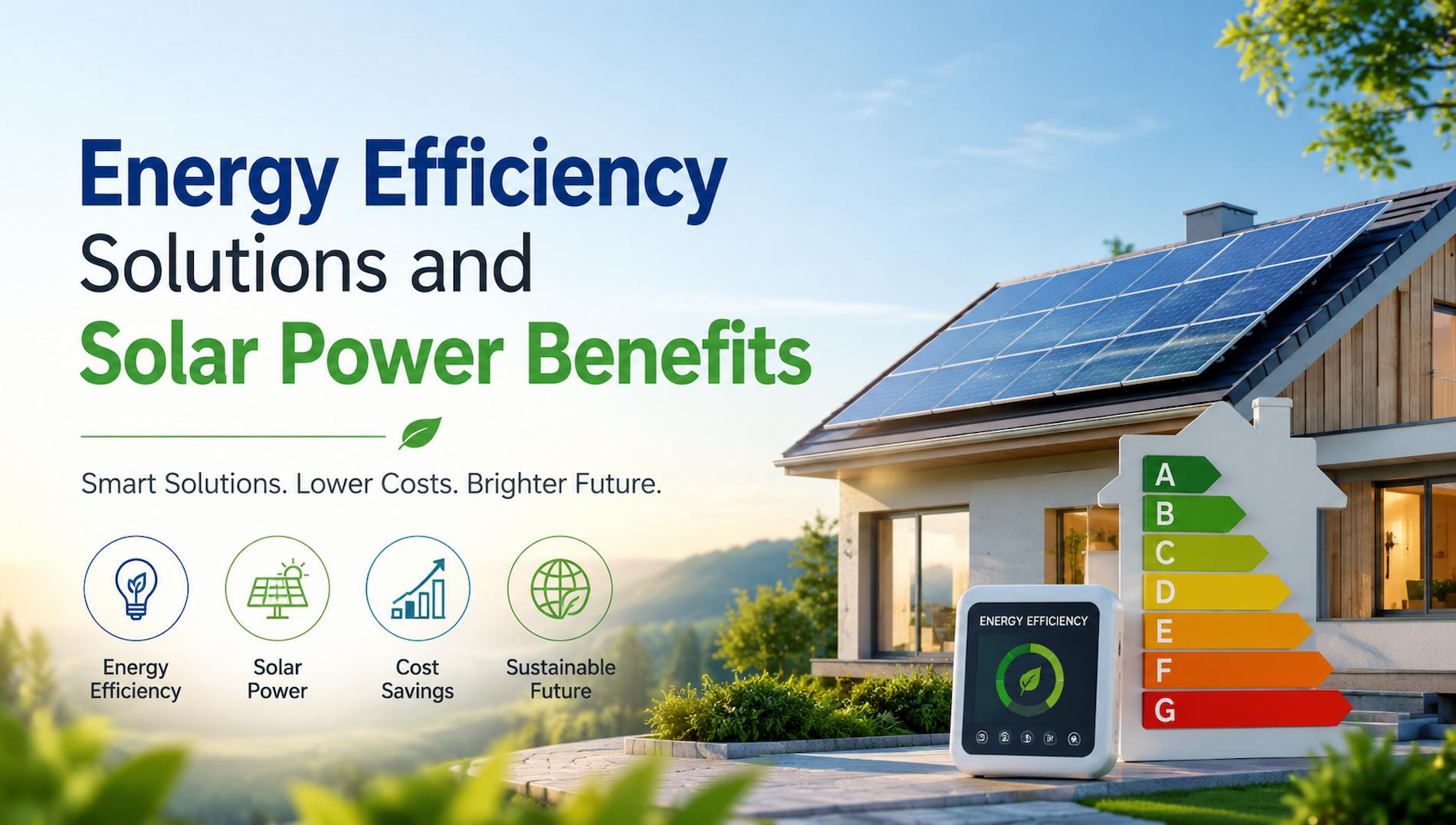
Sustainable construction has become a major priority across the commercial building sector. Companies are paying closer attention to energy efficiency, environmental impact, and long-term operational savings.
Modern commercial construction projects often include:
- Energy-efficient lighting systems
- Solar-ready roofing
- Smart HVAC systems
- Water-saving plumbing fixtures
- Improved insulation materials
- Sustainable building materials
Green building certifications such as LEED have also gained importance because businesses increasingly want environmentally responsible workspaces that align with corporate sustainability goals.
Energy-efficient commercial buildings do more than reduce environmental impact. They can also lower utility costs, improve indoor comfort, and increase property value over time.
Smart Building Technology Is Becoming Standard
Technology is now deeply integrated into commercial construction planning. Smart buildings use connected systems to improve efficiency, safety, and building management.
Some common smart building features include:
Automated Climate Control
Smart HVAC systems adjust temperatures based on occupancy and usage patterns. This reduces energy waste while maintaining consistent comfort.
Intelligent Security Systems
Modern commercial properties often use:
- Smart access control
- Video surveillance
- Motion detection
- Remote monitoring systems
These technologies improve security while simplifying property management.
Building Automation Systems
Integrated building management systems can monitor lighting, ventilation, electrical systems, and equipment performance from a single platform.
This allows property managers to identify maintenance issues early and improve operational efficiency.
Mixed-Use Developments Continue to Grow
Mixed-use construction projects are becoming increasingly popular in urban and suburban areas. These developments combine multiple functions within one property, such as:
- Office spaces
- Retail shops
- Restaurants
- Residential units
- Entertainment facilities
Businesses benefit from increased foot traffic and convenient access to services. Employees and residents also enjoy shorter commutes and more walkable environments.
For developers, mixed-use projects often provide stronger long-term investment potential because they create diverse revenue streams within one development.
Construction Safety Remains a Core Focus
Commercial construction safety standards continue evolving as projects become more complex. Construction companies are investing heavily in worker safety, risk management, and compliance training.
Modern job sites now commonly use:
- Wearable safety technology
- Real-time site monitoring
- Drone inspections
- Digital reporting systems
- Advanced protective equipment
Safer job sites help reduce delays, lower insurance costs, and improve project efficiency. Strong safety practices also build trust between contractors, developers, and clients.
Durability and Long-Term Performance Matter More
Businesses today want commercial properties that remain functional and cost-effective for decades. As a result, developers are placing greater emphasis on durable construction materials and resilient design strategies.
This includes using:
- Weather-resistant materials
- High-performance roofing systems
- Durable flooring solutions
- Reinforced structural components
- Low-maintenance exterior finishes
Long-term durability helps reduce repair costs and minimizes operational disruptions over the life of the building.
Office Design Is Evolving Around Employee Experience
Commercial office construction is no longer focused only on maximizing square footage. Employee wellbeing and workplace experience now play a major role in design decisions.
Modern offices increasingly feature:
- Natural lighting
- Improved indoor air quality
- Acoustic sound control
- Wellness-focused break areas
- Outdoor collaboration spaces
These design improvements can support employee satisfaction, productivity, and retention while creating healthier work environments.
Budgeting and Project Planning Are More Strategic
Construction costs, material pricing, and supply chain challenges have made project planning more important than ever.
Successful commercial construction projects now rely heavily on:
Early Budget Forecasting
Developers are conducting more detailed financial planning before construction begins to reduce unexpected costs later.
Digital Project Management
Construction teams use software platforms to track schedules, manage budgets, and improve communication between contractors, architects, and clients.
Phased Construction Approaches
Some businesses choose phased construction plans to maintain operations while renovations or expansions take place gradually.
Careful planning helps minimize delays and keeps projects aligned with business goals.
The Rise of Energy-Efficient Commercial Buildings
Energy efficiency continues shaping the future of commercial infrastructure. Rising utility costs and environmental concerns are pushing businesses toward smarter building strategies.
Popular energy-efficient upgrades include:
| Energy Solution | Business Benefit |
|---|---|
| LED lighting systems | Lower electricity costs |
| Smart thermostats | Better climate control |
| Solar integration | Reduced energy dependence |
| High-efficiency windows | Improved insulation |
| Occupancy sensors | Reduced energy waste |
These investments often provide long-term savings while improving building performance and sustainability ratings.
Why Commercial Construction Trends Matter
Commercial construction trends influence how businesses operate, grow, and compete. Well-designed commercial spaces can improve efficiency, attract customers, support employees, and reduce long-term expenses.
Developers and property owners who adapt to changing construction standards are often better positioned for future market demands. Whether building offices, retail centres, warehouses, or mixed-use properties, modern commercial construction increasingly focuses on flexibility, technology, sustainability, and resilience.
As industries continue evolving, commercial buildings will need to support both operational performance and changing customer expectations.
FAQ Section
What is modern commercial construction?
Modern commercial construction focuses on flexible design, sustainability, smart technology, and long-term durability. It includes offices, retail centres, warehouses, and mixed-use developments built to support modern business operations.
Why are smart buildings becoming popular?
Smart buildings improve energy efficiency, security, and operational management. Automated systems help businesses reduce costs, monitor building performance, and create more comfortable working environments.
What are mixed-use commercial developments?
Mixed-use developments combine offices, retail stores, residential units, and entertainment spaces within one property. These projects increase convenience, foot traffic, and long-term property value.
Why is sustainability important in commercial construction?
Sustainable commercial buildings reduce energy consumption, lower operating costs, and minimise environmental impact. Many businesses also value eco-friendly workspaces that support corporate sustainability goals.
How does commercial construction improve employee experience?
Modern office design includes natural lighting, better air quality, flexible workspaces, and wellness-focused areas. These features can improve comfort, productivity, and employee satisfaction.
Closing Remarks
Commercial construction is no longer just about creating usable space. Today’s projects are designed to support long-term business growth, operational efficiency, sustainability, and employee wellbeing. From smart building technology to energy-efficient design and flexible layouts, modern commercial spaces are becoming more adaptable and future-focused.
Businesses investing in commercial construction are looking for durable, cost-effective environments that can evolve with changing market demands. At the same time, developers and contractors are using better planning tools, advanced materials, and modern construction methods to improve project outcomes.
As commercial infrastructure continues to evolve, companies that prioritize thoughtful design, sustainability, and long-term performance will be better prepared for future growth and changing business needs.