Smart grid technology is changing how electricity moves across modern energy networks. With digital monitoring, automation, and real time data, utilities can reduce outages, improve efficiency, and support renewable energy growth. As aging infrastructure faces rising demand, smarter grids are becoming essential for reliable, flexible, and sustainable power distribution systems worldwide.
Understanding Smart Grid Technology
Electricity networks have powered homes and small businesses for more than a century. Traditional power grids were built for one-way energy flow. Electricity moved from large power plants through transmission lines and finally to consumers. While this system worked for decades, today’s energy demands are very different.
Modern consumers expect reliable electricity, faster outage recovery, cleaner energy sources, and better control over energy usage. Utilities also face growing pressure to upgrade aging infrastructure while handling rising electricity demand.
This is where smart grid technology becomes important.
A smart grid combines digital communication systems, sensors, automation tools, and advanced software with traditional electrical infrastructure. Instead of operating as a passive network, the grid becomes an intelligent system capable of monitoring, analyzing, and responding to changing energy conditions in real time.
The result is a more efficient, flexible, and reliable energy network.
Key Takeaways
- Smart grids use digital systems to monitor and manage electricity in real time.
- Utilities can reduce outages and restore power faster through automation.
- Smart meters help consumers track and lower energy consumption.
- Demand response programs improve grid stability during peak usage hours.
- Smart grids support renewable energy integration from solar and wind sources.
- Modernized energy networks improve efficiency, reliability, and long term sustainability.
How Smart Grid Technology Works
At its core, a smart grid creates two-way communication between utilities and consumers.
Traditional grids mostly send electricity in one direction. Smart grids allow information to move in both directions. Sensors, smart devices, and monitoring systems constantly collect data about energy production, consumption, and network performance.
This data helps utilities make quick decisions and respond to problems faster.
Several technologies work together inside a smart grid system:
Smart Meters
Smart meters replace traditional electricity meters by recording energy usage in real time. These devices automatically send consumption data to utility companies without manual readings.
Consumers also gain better visibility into their electricity usage patterns. Many smart meter systems allow homeowners to monitor energy consumption through mobile apps or online dashboards.
This transparency encourages energy savings and helps customers make informed decisions about electricity use.
Digital Monitoring Systems
Advanced sensors installed across the grid track voltage levels, power flow, and equipment performance. These monitoring systems identify irregularities before they become major failures.
For example, if a transformer begins overheating, the system can alert operators immediately. Early detection reduces maintenance costs and prevents widespread outages.
Automated Power Distribution
Automation allows utilities to reroute electricity during system failures. If a power line goes down, smart systems can isolate the affected section and redirect electricity through alternate routes.
This process happens much faster than traditional manual restoration methods.
As a result, customers experience shorter outages and improved service reliability.
Real Time Data Analytics
Smart grids rely heavily on data analysis. Utilities process massive amounts of information from sensors, substations, and consumer devices.
Advanced analytics help operators predict energy demand, manage power loads, and improve system performance.
This real-time visibility gives utilities better operational control across the entire network.
Improving Energy Distribution Efficiency
One of the biggest advantages of energy distribution systems powered by smart technology is improved efficiency.
Traditional grids often waste energy during transmission and distribution. Equipment failures, overloaded lines, and inaccurate demand forecasting contribute to these inefficiencies.
Smart grids solve many of these problems through better monitoring and automated adjustments. For example, utilities can balance electricity loads more effectively during periods of high demand. Instead of overproducing electricity, operators can distribute energy more precisely based on actual consumption patterns.
This reduces waste and lowers operating costs. Utilities can also identify areas where electricity losses occur. By addressing these weak points, companies improve overall system performance and reduce unnecessary energy consumption.
Improved efficiency benefits both utility providers and consumers through lower costs and more reliable service.
Enhancing Grid Reliability and Reducing Outages
Power outages remain one of the most expensive challenges for utilities and businesses. Severe weather, aging equipment, cyber threats, and rising electricity demand all place stress on traditional grids.
Smart grids improve reliability by detecting and responding to problems quickly.
Faster Fault Detection
Digital sensors continuously monitor the network for abnormalities. If a fault occurs, operators receive immediate alerts identifying the exact location of the issue.
This reduces the time needed to diagnose problems and dispatch repair crews.
Self-Healing Capabilities
Some smart grids include self-healing technology. These systems automatically isolate damaged sections of the network and restore power to unaffected areas.
Instead of widespread blackouts, outages remain limited to smaller locations.
This capability is especially valuable during storms and natural disasters.
Predictive Maintenance
Utilities can use real-time equipment data to predict failures before they happen.
Rather than waiting for transformers or power lines to fail, maintenance teams can repair or replace equipment proactively.
Predictive maintenance lowers repair costs, extends equipment lifespan, and improves overall grid reliability.
Supporting Renewable Energy Integration
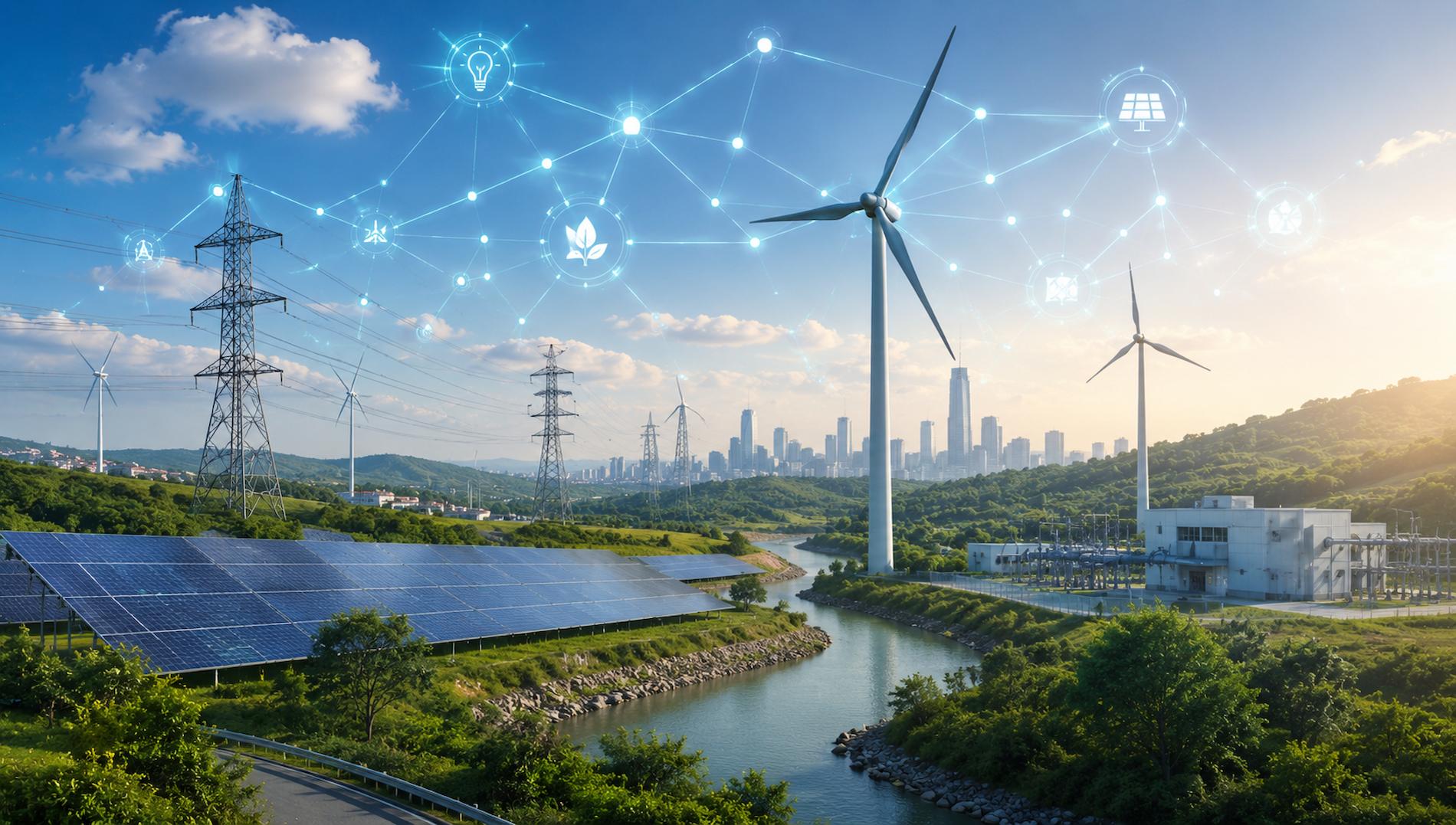
The transition toward cleaner energy sources is accelerating worldwide. Solar panels, wind farms, battery storage systems, and electric vehicles are becoming more common across energy networks.
However, renewable energy introduces new challenges for utilities.
Unlike traditional power plants, renewable energy production can vary depending on weather conditions. Solar generation changes throughout the day, while wind output fluctuates based on wind speed.
Smart grids help utilities manage these fluctuations more effectively.
Balancing Renewable Energy Supply
Advanced grid management systems can adjust electricity distribution in real time based on renewable energy availability.
For example, if solar production increases during sunny hours, utilities can reduce electricity generation from conventional power plants.
This balance improves energy efficiency and supports cleaner electricity production.
Integrating Distributed Energy Resources
Modern smart grids also support decentralized energy generation.
Homes and businesses with rooftop solar panels can send excess electricity back into the grid. Smart systems manage this two-way energy flow while maintaining network stability.
This flexibility encourages wider adoption of renewable technologies.
Supporting Energy Storage Systems
Battery storage plays a growing role in modern energy infrastructure.
Smart grids coordinate energy storage systems by charging batteries during low-demand periods and discharging stored energy during peak demand.
This improves grid stability and maximizes renewable energy usage.
The Role of Demand Response Programs
Demand response programs are another important feature of smart grid systems.
Electricity demand changes throughout the day. During peak hours, utilities often struggle to meet high consumption levels. Traditionally, companies addressed this problem by operating expensive backup power plants.
Smart grids offer a more efficient solution.
Demand response programs encourage consumers to reduce or shift electricity usage during peak periods. Utilities may provide financial incentives for participating customers.
For example, smart thermostats can automatically adjust air conditioning settings during periods of high electricity demand.
This approach lowers stress on the grid while reducing operational costs.
Demand response programs also improve environmental performance by reducing the need for additional fossil fuel generation during peak hours.
Grid Modernization and Infrastructure Upgrades
Many power grids were built decades ago and now require major upgrades.
Aging infrastructure creates reliability issues, increases maintenance costs, and limits the ability to support modern energy technologies.
Grid modernization focuses on upgrading electrical networks with digital systems, automation, and advanced communication tools.
These upgrades include:
- Replacing outdated transmission equipment
- Installing advanced sensors and control systems
- Expanding smart meter deployment
- Improving cybersecurity protections
- Integrating renewable energy infrastructure
- Enhancing data management capabilities
Modernization projects require significant investment, but the long-term benefits are substantial.
Utilities gain stronger operational control, improved reliability, and greater flexibility for future energy demands.
Consumers benefit from more reliable electricity service, faster outage restoration, and better energy management tools.
Challenges Facing Smart Grid Adoption
Despite its advantages, smart grid implementation also presents challenges.
High Initial Costs
Upgrading infrastructure requires major financial investment. Utilities must install sensors, communication systems, smart meters, and advanced software platforms.
These projects can take years to complete.
Cybersecurity Risks
As energy networks become more connected, cybersecurity becomes increasingly important.
Smart grids rely on digital communication systems that may become targets for cyberattacks. Utilities must invest heavily in cybersecurity protections to safeguard critical infrastructure.
Data Privacy Concerns
Smart meters collect detailed information about household energy usage patterns.
Some consumers worry about how this data is stored and used. Utilities must maintain strong privacy policies and transparent data practices.
Regulatory and Policy Challenges
Energy regulations vary across regions. Utilities often face complex approval processes before implementing modernization projects.
Government support and clear policy frameworks remain essential for long-term smart grid development.
The Future of Smart Energy Networks
The future of energy systems will depend heavily on smart grid technology.
As electricity demand rises and renewable energy adoption grows, utilities need more flexible and intelligent infrastructure.
Emerging technologies such as artificial intelligence, machine learning, and advanced battery storage will further strengthen smart grid capabilities.
Electric vehicles will also play a larger role in future energy networks. Smart grids can help manage EV charging demand while using vehicle batteries as temporary energy storage resources.
Over time, energy networks will become more decentralized, data-driven, and responsive.
Consumers will gain greater control over their electricity usage, while utilities improve efficiency and sustainability across the grid.
Final Analysis
Smart grid technology is reshaping modern energy infrastructure by improving efficiency, reliability, and real time power management. Through digital monitoring, automation, and advanced analytics, utilities can deliver more stable electricity service while supporting cleaner energy systems. As infrastructure upgrades continue, smart grids will remain central to building flexible, intelligent, and sustainable energy networks for future generations.