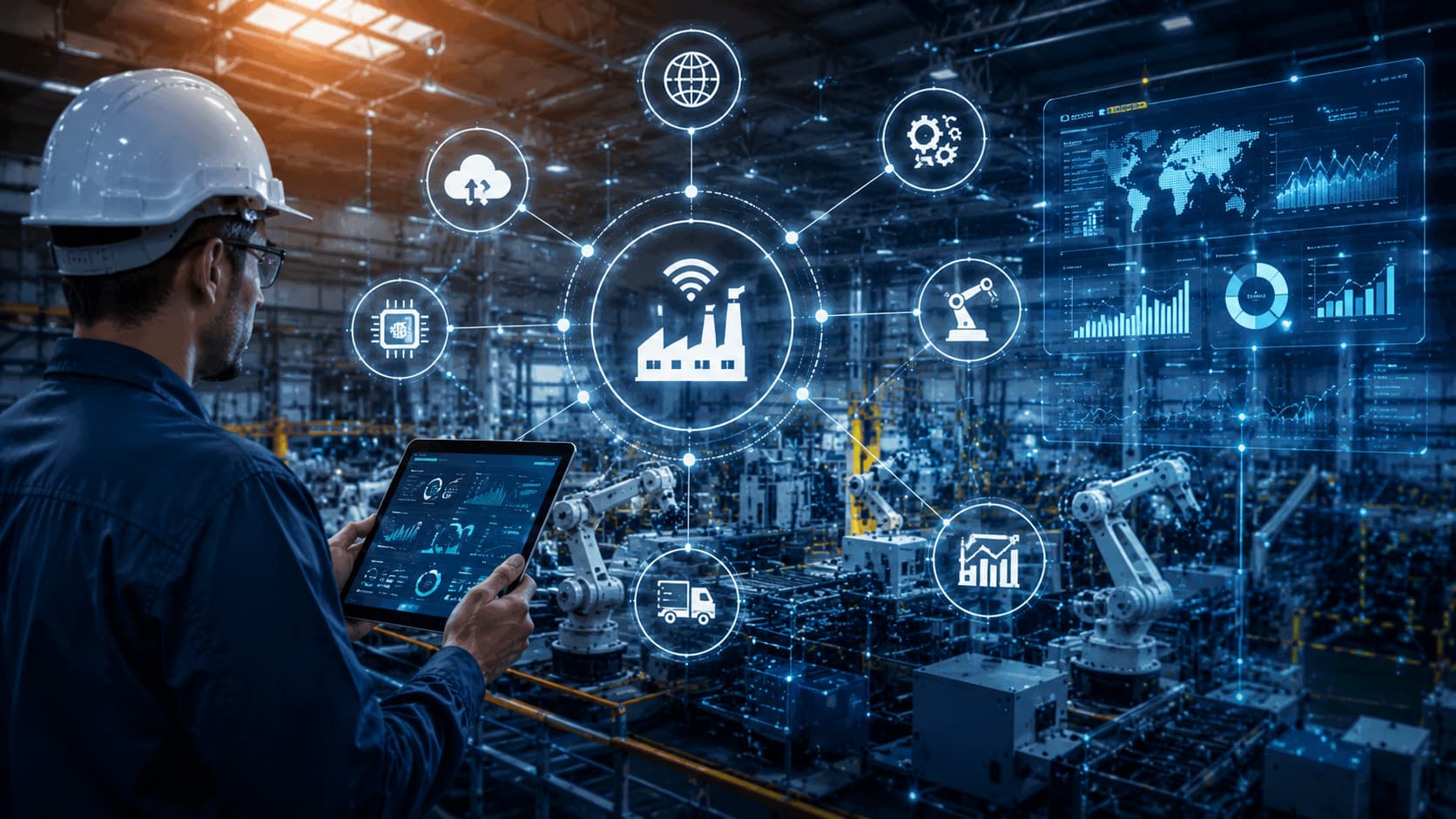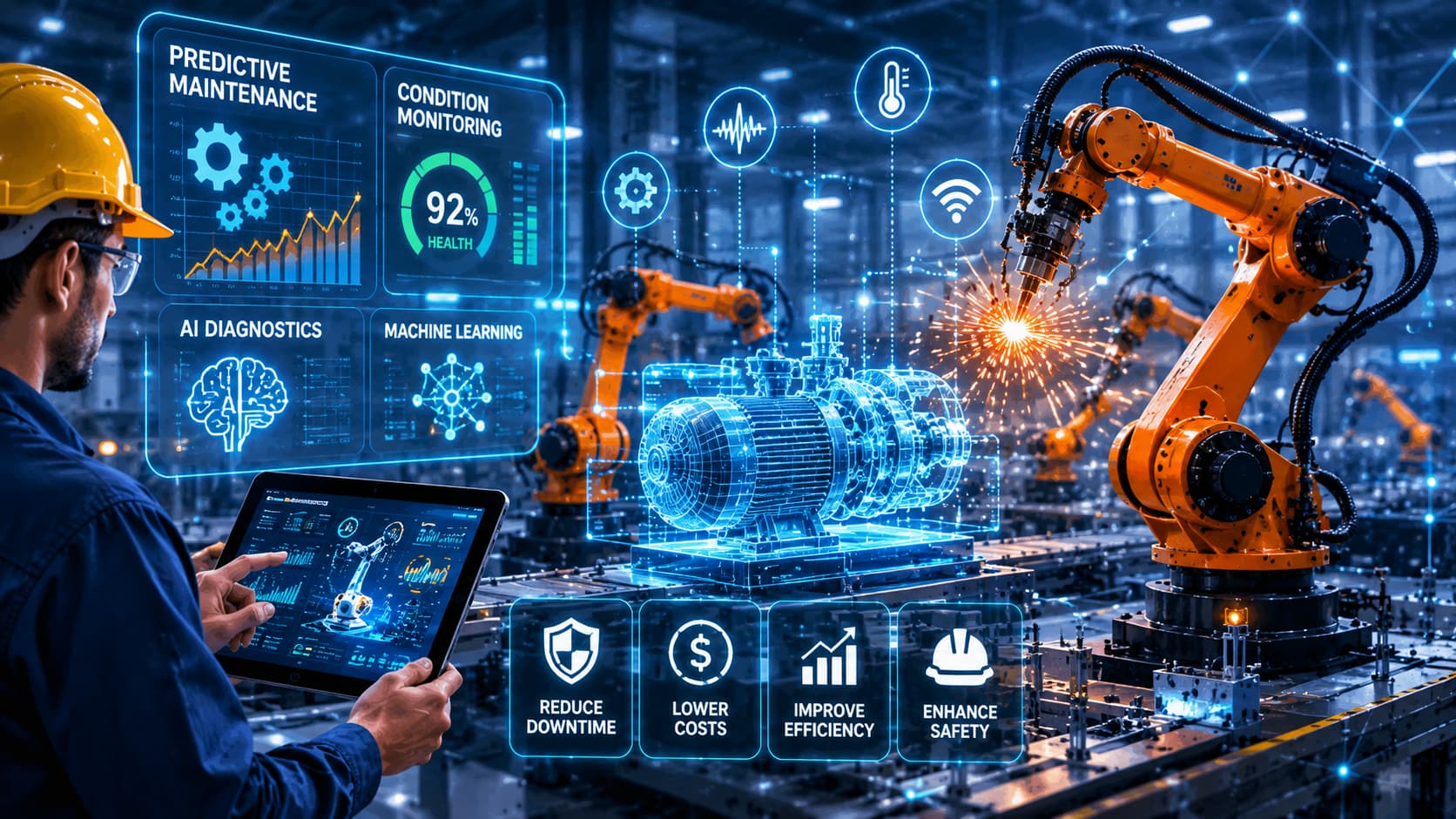
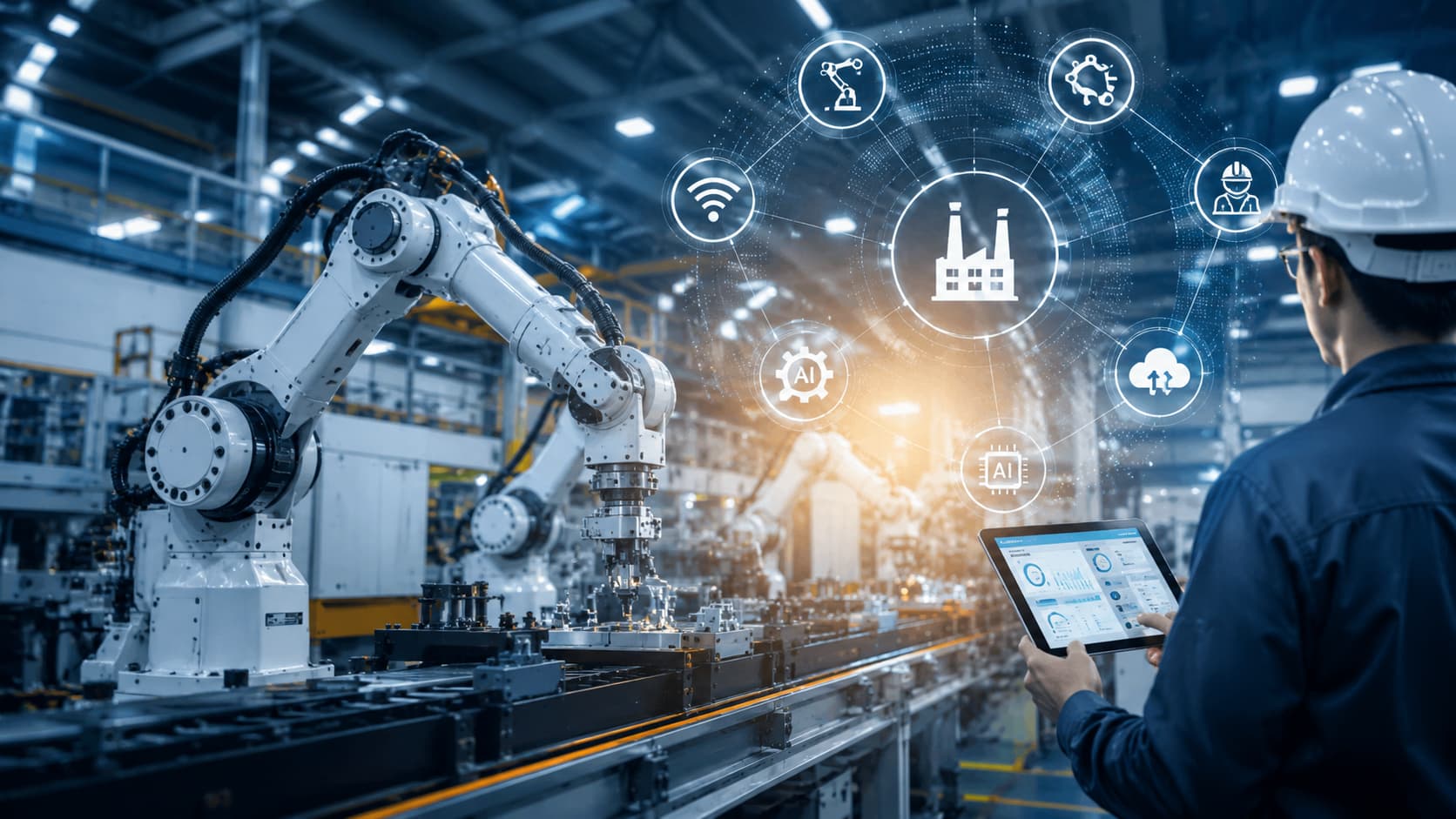
Industrial automation systems are transforming modern manufacturing by improving productivity, reducing operational costs, and increasing production accuracy. From PLCs and robotics to machine integration and predictive maintenance, automation technologies help manufacturers streamline workflows and minimize downtime. This article explores how automation improves manufacturing efficiency, supports smarter production environments, and helps businesses remain competitive in rapidly evolving industrial markets while balancing operational flexibility, workforce development, and long-term growth strategies.
Modern industrial automation systems are helping manufacturers produce goods faster, more accurately, and at lower operational costs. By combining smart machines, real-time data monitoring, programmable controls, and connected production systems, manufacturers can reduce downtime, improve product consistency, and streamline workflows across the entire production line.
As global competition increases and customer expectations continue rising, manufacturers are investing in automation technologies to improve efficiency without sacrificing flexibility. From automated assembly lines and robotics to Industrial IoT sensors and programmable logic controllers (PLCs), automation has become a central part of modern manufacturing strategy. Businesses are no longer adopting automation only to replace repetitive labor. They are using it to improve decision-making, strengthen quality control, optimize energy usage, and build more resilient operations.
This shift is transforming industries including automotive manufacturing, electronics, pharmaceuticals, food processing, logistics, packaging, and heavy engineering. Companies that successfully integrate industrial automation systems are often better positioned to scale production, reduce waste, and remain competitive in rapidly changing markets.
What Are Industrial Automation Systems?
Industrial automation systems are technologies that control manufacturing processes with minimal human intervention. These systems use software, sensors, robotics, PLCs, and machine communication networks to automate production tasks, monitor operations, and improve workflow efficiency.
Automation systems can range from simple conveyor systems to fully connected smart factories powered by artificial intelligence and machine learning. Their primary goal is to improve productivity while maintaining consistent product quality and operational reliability.
Common components of industrial automation include:
- Programmable Logic Controllers (PLCs)
- Human Machine Interfaces (HMIs)
- Industrial robots
- Sensors and monitoring systems
- SCADA systems
- Automated conveyor systems
- Machine vision technology
- Industrial IoT devices
- Predictive maintenance software
Together, these technologies create integrated manufacturing environments where machines communicate, adapt, and operate more efficiently.
How Automation Improves Manufacturing Efficiency
Industrial automation improves manufacturing efficiency by reducing manual errors, accelerating production cycles, improving machine utilization, and enabling real-time operational visibility. Automated systems allow manufacturers to maintain consistent output while reducing delays and production bottlenecks.
Manufacturers often see improvements in several key operational areas after implementing automation technologies.
Faster Production Cycles
Automated production systems can perform repetitive tasks continuously with high precision and speed. Unlike manual operations, automated systems do not experience fatigue, inconsistent pacing, or extended downtime between processes.
Benefits include:
- Reduced production lead times
- Higher daily output capacity
- Faster assembly operations
- Improved workflow continuity
- Shorter machine idle periods
For example, automated robotic arms in automotive manufacturing can complete welding or assembly tasks in seconds while maintaining exact positioning and repeatability.
Improved Product Quality and Accuracy
Automation systems improve manufacturing precision by standardizing production processes and reducing human error. Sensors, machine vision systems, and automated inspection tools help maintain consistent quality across production batches.
Key quality improvements include:
- More accurate measurements
- Consistent product specifications
- Reduced material defects
- Better process control
- Real-time quality monitoring
Machine vision systems are especially valuable in industries where precision matters, such as electronics, aerospace, and pharmaceutical manufacturing.
Reduced Operational Costs
Industrial automation helps manufacturers reduce long-term operational costs by improving efficiency, reducing waste, and minimizing production disruptions. Although automation systems often require significant upfront investment, many businesses achieve measurable savings over time through better operational control and improved production accuracy.
Automation contributes to cost reduction in several important ways:
- Reduces repetitive manual labor and improves workforce productivity
- Minimizes material waste through greater precision and consistency
- Decreases unplanned downtime with predictive maintenance systems
- Optimizes energy usage by improving machine performance and monitoring
- Improves quality control accuracy, helping reduce product defects and recalls
- Streamlines production workflows to improve overall operational efficiency
Many manufacturers also use automation to improve long-term scalability. Automated systems can handle higher production volumes without requiring the same level of additional labor or operational expansion, making growth more sustainable and cost-effective.
The Role of PLCs in Industrial Automation
Programmable Logic Controllers (PLCs) are specialized industrial computers that automate machinery and manufacturing processes. They monitor inputs, execute programmed instructions, and control outputs in real time to maintain efficient production operations.
PLCs are widely used because they are durable, flexible, and capable of operating in demanding industrial environments.
Why Manufacturers Use PLCs
PLCs provide several operational advantages:
- Fast response times
- Reliable machine control
- Easy process customization
- Improved system scalability
- Better production consistency
Manufacturers can quickly modify PLC programming to adapt production lines for different products or changing operational requirements. This flexibility is especially valuable in industries with fluctuating demand or customized production needs.
Workflow Optimization Through Automation
Automation systems improve workflow optimization by connecting machines, production data, and operational processes into a unified system. This allows manufacturers to identify inefficiencies, reduce bottlenecks, and improve resource allocation in real time.
Workflow optimization often includes:
Real-Time Production Monitoring
Connected systems provide live production data that helps managers monitor:
- Machine performance
- Production speed
- Equipment health
- Output quality
- Inventory movement
Real-time visibility allows businesses to respond quickly to operational issues before they become major disruptions.
Automated Material Handling
Automated guided vehicles (AGVs), robotic conveyors, and smart storage systems improve material movement throughout manufacturing facilities.
Benefits include:
- Faster inventory transfers
- Reduced workplace accidents
- Lower manual handling costs
- Improved warehouse efficiency
- Better production flow continuity
These systems are particularly useful in large-scale manufacturing plants and distribution centers.
Machine Integration and Smart Manufacturing
Machine integration allows manufacturing equipment, software systems, and sensors to communicate and share data across production environments. This connectivity forms the foundation of smart manufacturing and Industry 4.0 operations.
Integrated systems improve operational coordination by synchronizing production activities and reducing communication delays between machines.
Key Advantages of Machine Integration
Manufacturers benefit from machine integration through:
- Centralized process control
- Faster production adjustments
- Improved data accuracy
- Enhanced predictive maintenance
- Better supply chain coordination
For example, when a sensor detects equipment overheating, integrated systems can automatically slow production, alert technicians, and schedule maintenance before a breakdown occurs.
How Automation Reduces Human Error
Industrial automation reduces human error by standardizing repetitive tasks and using automated monitoring systems to detect inconsistencies in real time. This improves operational reliability while reducing costly production mistakes.
Human error commonly affects:
- Product assembly
- Quality inspection
- Data entry
- Inventory management
- Machine calibration
Automation systems help minimize these issues by following consistent programmed instructions without variation.
However, successful manufacturers understand that automation works best when combined with skilled human oversight. Employees remain essential for strategic decision-making, maintenance, troubleshooting, and process improvement.
Balancing Automation With Workforce Development
Manufacturers are increasingly balancing automation investments with workforce development initiatives. Rather than eliminating jobs entirely, automation is changing the types of skills employees need in modern production environments.
Many companies now focus on training workers in:
- Robotics operation
- Automation programming
- Data analysis
- Equipment maintenance
- Industrial cybersecurity
- Process optimization
This shift creates opportunities for higher-skilled technical roles while improving overall operational efficiency.
Why Human Expertise Still Matters
Even highly automated facilities still depend on human expertise for:
- Strategic planning
- Quality oversight
- Complex troubleshooting
- Safety management
- System upgrades
- Innovation and process improvement
Manufacturing efficiency improves most when automation and human knowledge work together rather than competing against each other.
Challenges of Industrial Automation Implementation
While industrial automation offers major benefits, implementation can also present operational and financial challenges. Manufacturers must carefully plan automation projects to avoid integration problems and production disruptions.
Common challenges include:
High Initial Investment
Automation systems often require significant upfront spending on:
- Equipment
- Software
- Infrastructure upgrades
- Employee training
- System integration
Smaller manufacturers may adopt phased automation strategies to manage costs more effectively.
Cybersecurity Risks
As manufacturing systems become more connected, cybersecurity becomes increasingly important. Industrial networks can become targets for cyberattacks if security measures are weak.
Manufacturers should priorities:
- Secure network architecture
- Access control systems
- Regular software updates
- Employee cybersecurity training
- Data backup procedures
Integration Complexity
Older equipment may not easily connect with newer automation technologies. Successful machine integration often requires customized engineering solutions and careful compatibility testing.
Industries Benefiting Most From Industrial Automation
Several industries are rapidly adopting automation technologies to improve efficiency and operational reliability.
Automotive Manufacturing
Automation supports:
- Robotic welding
- Automated painting
- Precision assembly
- Quality inspection
- Supply chain coordination
Food and Beverage Production
Manufacturers use automation for:
- Packaging
- Temperature monitoring
- Inventory management
- Production line sanitation
- Product consistency
Pharmaceutical Manufacturing
Automation improves:
- Sterile production control
- Accurate dosage measurement
- Regulatory compliance
- Batch tracking
- Product inspection
Electronics Manufacturing
Automation helps achieve:
- Precision assembly
- Micro-component handling
- High-speed production
- Defect detection
- Consistent quality control
Future Trends in Industrial Automation
Industrial automation is continuing to evolve through artificial intelligence, machine learning, Industrial IoT, and advanced robotics. These technologies are helping manufacturers create smarter, more adaptive production systems.
Emerging trends include:
- AI-driven predictive maintenance
- Collaborative robots (cubits)
- Digital twins
- Autonomous mobile robots
- Cloud-connected manufacturing systems
- Real-time data analytics
- Edge computing in factories
As these technologies mature, manufacturers will gain even greater operational visibility and efficiency.
Final Thoughts
Industrial automation systems are reshaping manufacturing by improving productivity, reducing operational costs, and increasing production accuracy across modern industrial environments. Businesses that adopt automation strategically can improve efficiency while building more flexible and competitive operations.
The most successful manufacturers are not simply replacing workers with machines. They are combining advanced automation technologies with skilled human expertise to create smarter, safer, and more efficient production systems. As Industry 4.0 technologies continue advancing, industrial automation will remain one of the most important drivers of manufacturing innovation and long-term operational growth.
FAQs
How do industrial automation systems improve manufacturing efficiency?
Industrial automation systems improve manufacturing efficiency by reducing manual tasks, increasing production speed, improving accuracy, and minimizing operational downtime. Automated systems help manufacturers maintain consistent product quality while lowering waste and operational costs. Real-time monitoring and predictive maintenance also help businesses identify problems early and optimize production performance continuously.
What industries benefit the most from industrial automation?
Industries such as automotive, electronics, pharmaceuticals, food processing, logistics, and heavy manufacturing benefit significantly from industrial automation. These industries rely on precision, speed, and consistent quality, making automation highly valuable for improving production efficiency, reducing defects, and maintaining competitive operational performance across large-scale manufacturing environments.
What is the role of PLCs in industrial automation?
Programmable Logic Controllers (PLCs) control automated industrial equipment and manufacturing processes in real time. They monitor inputs, execute programmed instructions, and manage machine operations efficiently. PLCs are widely used because they are reliable, adaptable, and capable of handling demanding industrial tasks while improving workflow consistency and operational flexibility.
Does automation completely replace human workers in manufacturing?
Automation does not completely replace human workers in most manufacturing environments. Instead, it changes workforce responsibilities by reducing repetitive tasks and increasing demand for technical skills such as robotics maintenance, system programming, and data analysis. Human expertise remains essential for decision-making, troubleshooting, safety oversight, and process optimization.
What are the biggest challenges of implementing industrial automation?
The biggest challenges include high upfront investment costs, cybersecurity risks, employee training requirements, and integration complexity with older equipment. Manufacturers often need careful planning, phased implementation strategies, and strong technical support to ensure automation systems operate efficiently without disrupting existing production processes.
How does predictive maintenance support manufacturing efficiency?
Predictive maintenance improves manufacturing efficiency by using sensors and data analytics to identify equipment problems before failures occur. This helps manufacturers reduce unplanned downtime, extend machinery lifespan, lower repair costs, and maintain smoother production operations. Predictive maintenance also improves equipment reliability and supports better long-term operational planning.
What is the difference between automation and smart manufacturing?
Automation focuses on using machines and control systems to perform tasks automatically, while smart manufacturing connects automation systems through data sharing, machine integration, and real-time analytics. Smart manufacturing uses Industrial IoT, AI, and connected technologies to create more adaptive, intelligent, and data-driven production environments.