Manufacturers are under constant pressure to improve efficiency, reduce costs, and maintain consistent quality. Whether a company produces automotive parts, consumer goods, electronics, or industrial equipment, operational waste can quietly drain profitability over time. Delays, excess inventory, production errors, and unnecessary movement all affect productivity more than many businesses realize.
This is why lean manufacturing continues to play such an important role across industries. Lean principles help businesses simplify processes, eliminate waste, improve workflow efficiency, and create more value without increasing operational costs. Unlike short-term productivity trends, lean manufacturing focuses on long-term operational discipline and continuous improvement that can adapt to changing business conditions.
What Is Lean Manufacturing?
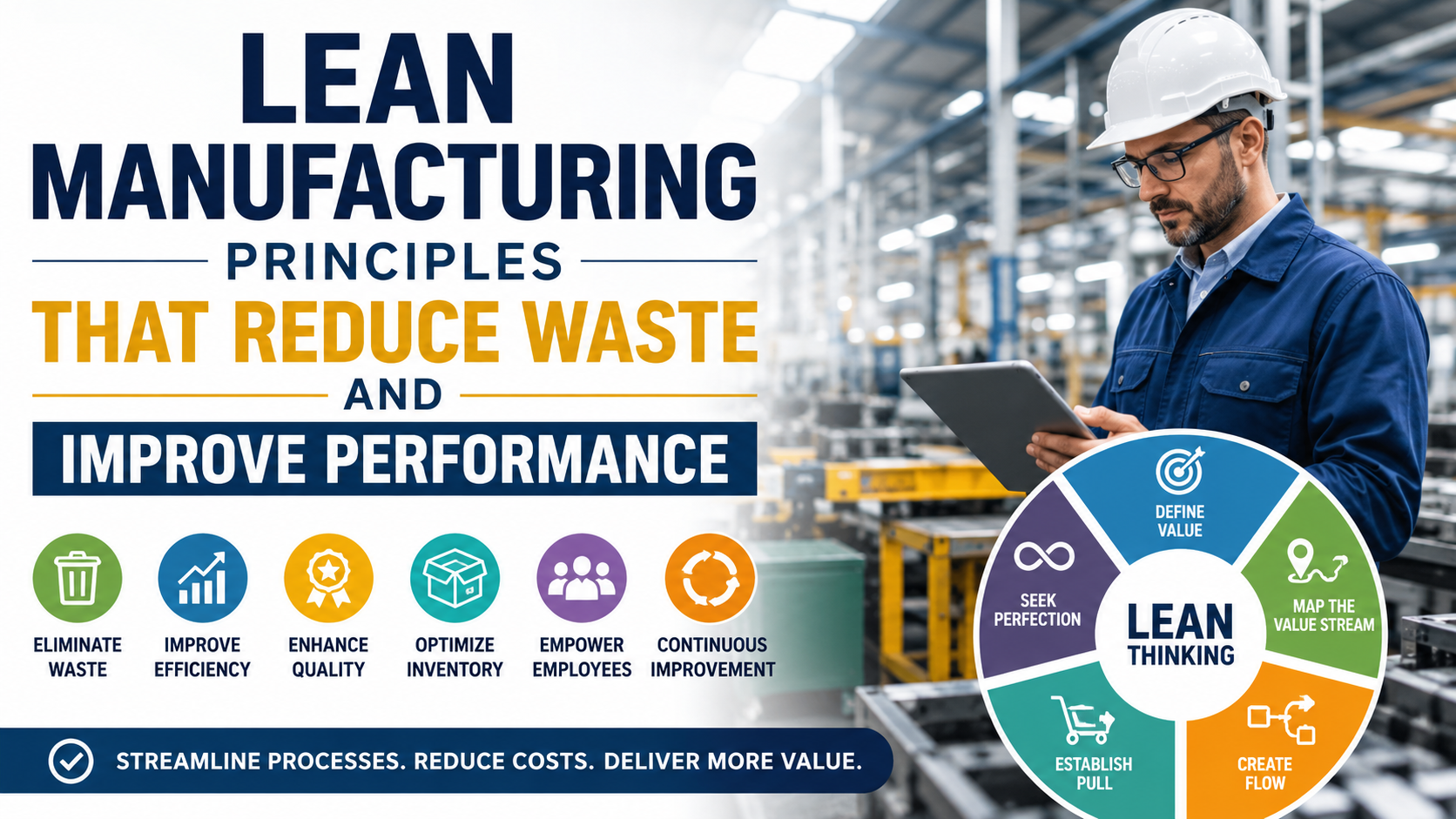
Lean manufacturing is a production approach designed to maximize value while minimizing waste. The goal is to create smoother operations, better product quality, and more efficient use of time, labour, and materials.
The concept originally gained popularity through the manufacturing systems developed by Toyota, but its principles now apply across almost every industry, including logistics, healthcare, construction, and technology.
Lean manufacturing focuses on identifying activities that do not add value to the customer and removing or improving them wherever possible.
Common Types of Waste in Manufacturing
Lean systems typically focus on reducing these operational inefficiencies:
- Excess inventory
- Overproduction
- Unnecessary transportation
- Waiting time between processes
- Product defects and rework
- Excess motion by workers
- Inefficient processing
- Underused employee skills
When businesses reduce these issues, production becomes faster, more reliable, and more cost-effective.
Why Lean Manufacturing Still Matters
Many manufacturing strategies come and go, but lean manufacturing remains relevant because the core problems it solves never disappear. Companies always need to improve efficiency, reduce waste, and maintain quality while staying competitive.
Modern manufacturing environments are also becoming more complex. Rising material costs, supply chain disruptions, labour shortages, and customer expectations make operational efficiency even more important.
Lean principles help businesses:
- Improve productivity without major expansion
- Lower operational costs
- Increase product consistency
- Reduce production delays
- Improve workplace organization
- Strengthen employee accountability
- Create more predictable workflows
These improvements often lead to stronger customer satisfaction and higher profitability over time.
Continuous Improvement Drives Long-Term Efficiency
One of the most important lean manufacturing principles is continuous improvement, often called Kaizen. Instead of waiting for major operational failures, lean businesses focus on making small, consistent improvements every day.
This approach creates a culture where employees actively look for better ways to perform tasks, reduce waste, and improve workflow performance.
How Continuous Improvement Works
Small operational changes may include:
- Rearranging equipment to reduce movement
- Simplifying approval processes
- Improving communication between departments
- Reducing machine downtime
- Standardizing repetitive tasks
- Identifying bottlenecks earlier
Over time, these smaller improvements create significant operational gains.
Companies that encourage employee feedback often identify practical solutions faster because frontline workers see inefficiencies firsthand.
Workflow Optimization Improves Production Flow
Poor workflow design slows production and increases operational costs. Lean manufacturing encourages businesses to analyze how materials, equipment, and employees move throughout the production process.
The goal is to create smoother production flow with fewer interruptions.
Signs of Inefficient Workflow
Manufacturers often experience workflow problems such as:
- Workers waiting for materials
- Production bottlenecks
- Excessive equipment movement
- Poor workstation layouts
- Delayed approvals
- Uneven workloads
When these issues are corrected, businesses often see immediate productivity improvements.
Practical Workflow Improvements
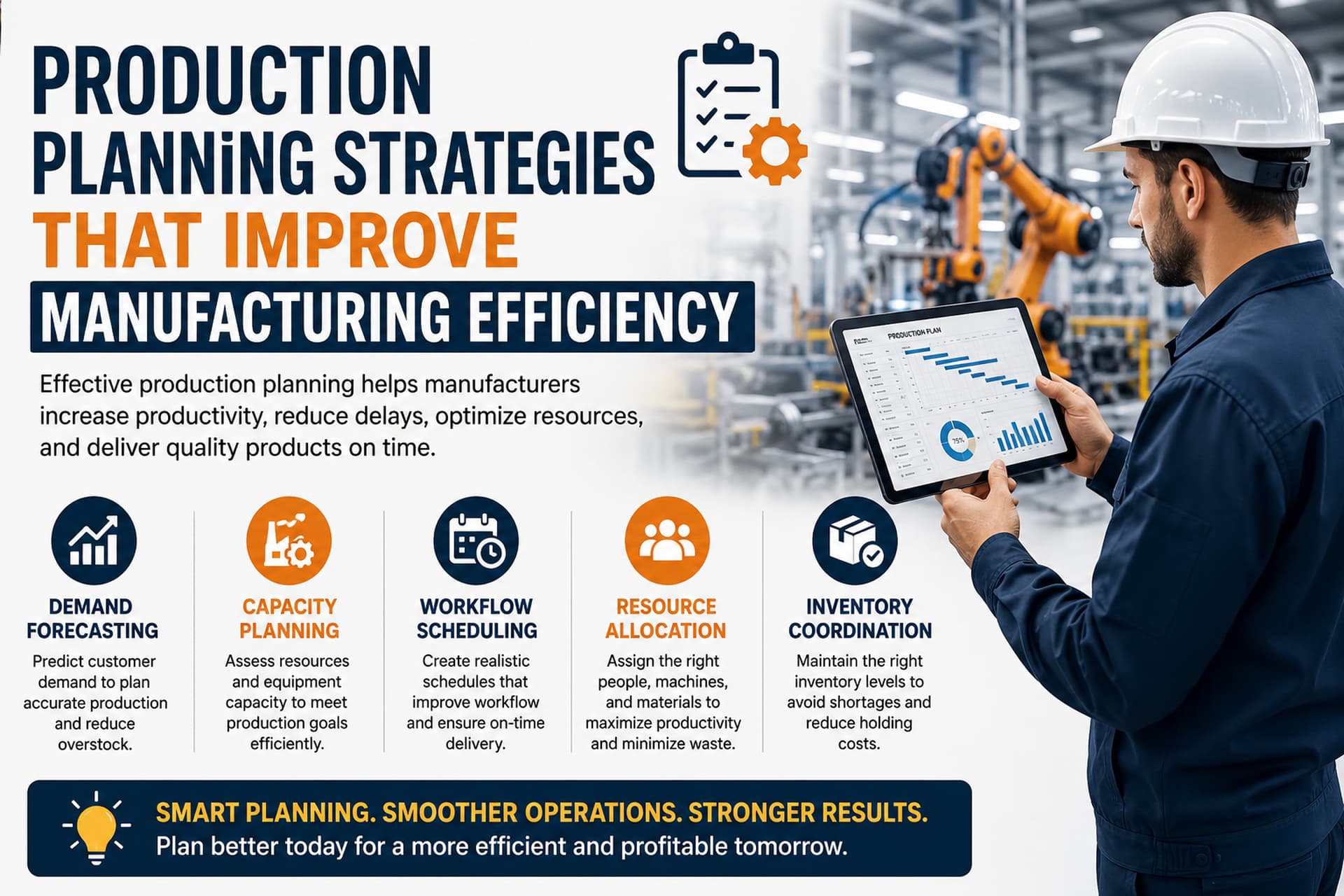
Lean workflow optimization may include:
- Reorganizing production layouts
- Reducing unnecessary movement
- Creating standard operating procedures
- Improving scheduling systems
- Using visual management tools
- Balancing workloads between teams
Even simple layout adjustments can reduce wasted time and improve operational consistency.
Inventory Management Reduces Waste and Storage Costs
Excess inventory creates several hidden costs. It occupies valuable space, increases storage expenses, raises the risk of product obsolescence, and ties up working capital.
Lean manufacturing encourages businesses to maintain inventory levels that support production without creating unnecessary surplus.
Just-in-Time Inventory Management
One widely used lean strategy is Just-in-Time (JIT) inventory management. This approach focuses on receiving materials only when they are needed for production.
Benefits may include:
- Lower storage costs
- Reduced material waste
- Better cash flow
- Improved inventory visibility
- Faster identification of supply chain issues
However, JIT systems require strong supplier relationships and reliable demand forecasting to work effectively.
Quality Control Prevents Expensive Mistakes
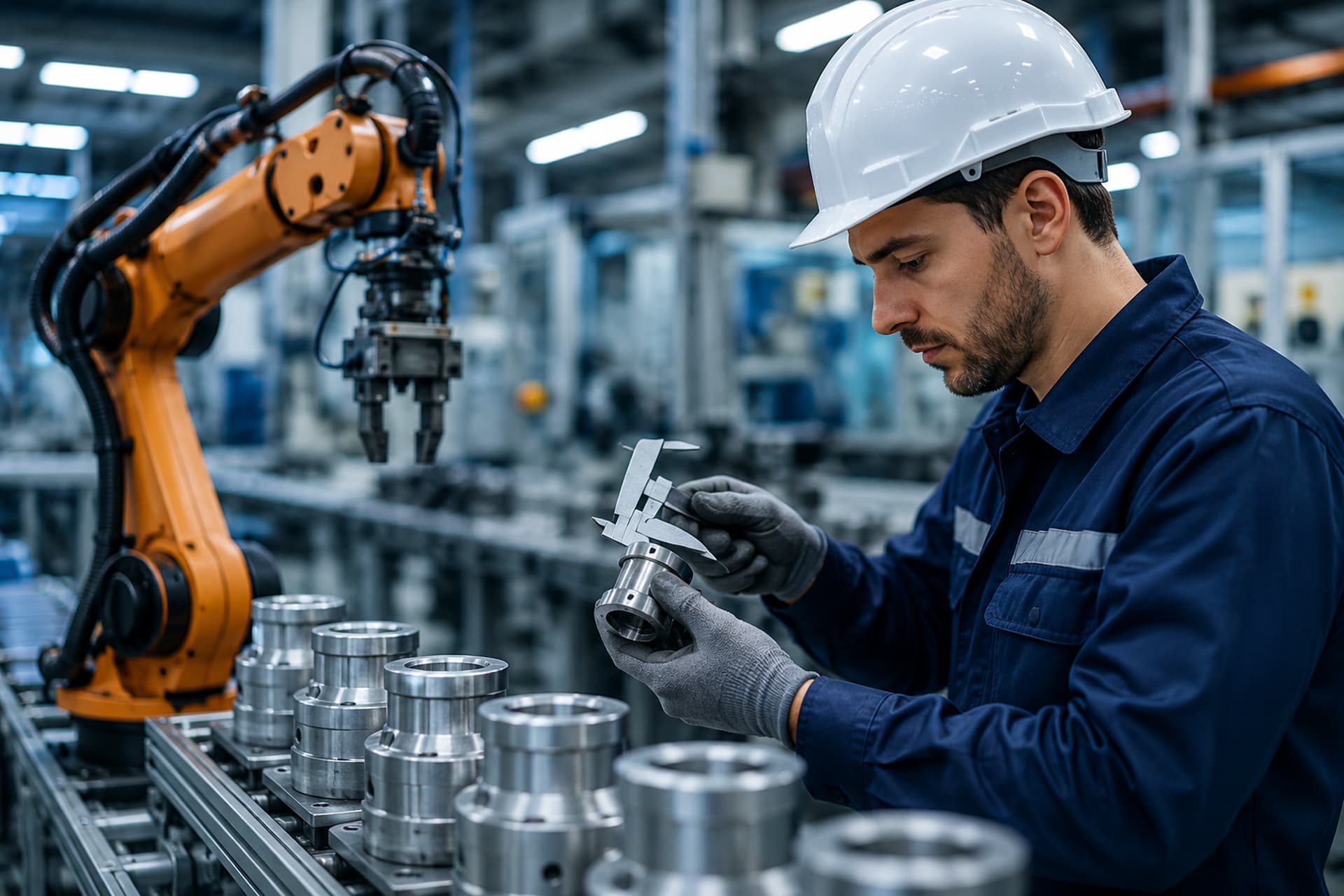
Poor quality creates waste through product defects, returns, customer complaints, and rework. Lean manufacturing focuses heavily on preventing errors before they happen rather than fixing them later.
Lean Quality Improvement Strategies
Common lean quality practices include:
- Standardized production methods
- Routine equipment maintenance
- Employee quality training
- Real-time inspection systems
- Root cause analysis
- Error-proofing techniques
When quality problems are identified early, businesses avoid larger operational disruptions later.
Consistent quality also strengthens brand reputation and customer trust.
Employee Involvement Strengthens Lean Success
Lean manufacturing works best when employees actively participate in operational improvement efforts. Workers who interact with production systems daily often identify practical issues management may overlook.
Businesses that encourage collaboration usually see stronger long-term lean adoption.
Ways to Encourage Employee Participation
Manufacturers can involve employees by:
- Encouraging process improvement suggestions
- Providing lean training programs
- Recognizing operational improvement efforts
- Holding regular team discussions
- Sharing productivity goals openly
- Involving workers in workflow redesign
Employee engagement often leads to better accountability, stronger morale, and improved workplace efficiency.
Standardized Processes Improve Consistency
Inconsistent production methods create confusion, delays, and quality issues. Lean manufacturing encourages businesses to standardize repetitive processes wherever possible.
Standardization creates a reliable foundation for improvement because teams follow the same best practices consistently.
Benefits of Standardized Workflows
Standardized processes help businesses:
- Train employees faster
- Reduce production errors
- Improve safety
- Increase operational consistency
- Simplify performance measurement
- Support scalability
Once processes become stable and predictable, businesses can improve them more effectively over time.
Preventive Maintenance Reduces Downtime
Unexpected equipment failures can severely disrupt manufacturing operations. Lean systems emphasize preventive maintenance to reduce breakdowns and improve equipment reliability.
Rather than waiting for machines to fail, businesses schedule regular inspections and servicing.
Preventive Maintenance Benefits
Effective maintenance strategies can:
- Reduce downtime
- Extend equipment lifespan
- Improve production reliability
- Lower repair costs
- Improve worker safety
- Support consistent production schedules
Reliable equipment creates smoother workflows and reduces operational stress across departments.
Data and Performance Tracking Support Lean Decisions
Modern lean manufacturing increasingly relies on operational data to identify inefficiencies and improve decision-making.
Manufacturers now use digital tools to track:
- Production speed
- Equipment performance
- Downtime frequency
- Defect rates
- Inventory levels
- Labour productivity
This visibility allows businesses to make faster, more informed operational adjustments.
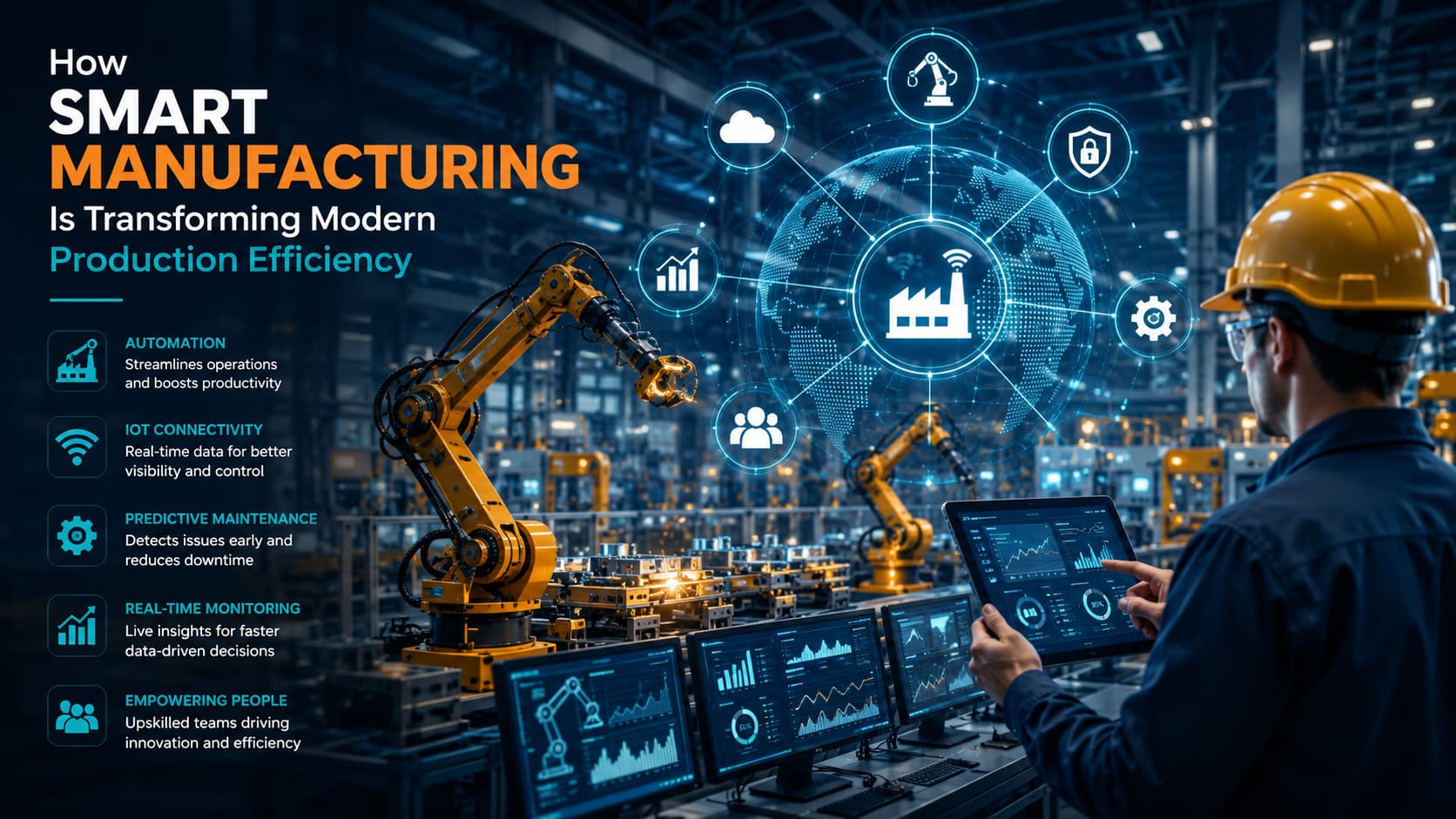
Combining lean principles with industrial automation, manufacturing analytics, and Industrial IoT systems can strengthen long-term efficiency even further.
Common Lean Manufacturing Mistakes
Some businesses struggle with lean implementation because they focus only on short-term cost reduction instead of long-term operational improvement.
Common Problems Include:
- Poor employee communication
- Unrealistic implementation timelines
- Lack of leadership support
- Ignoring workforce feedback
- Overcomplicating lean systems
- Inconsistent training
Lean manufacturing succeeds when companies build a culture of gradual, sustainable improvement rather than forcing rapid operational changes.
How Businesses Can Start Applying Lean Principles
Companies do not need to completely redesign operations overnight to benefit from lean manufacturing.
A practical starting point may include:
- Identifying one major production bottleneck
- Reviewing workflow inefficiencies
- Measuring downtime and defect rates
- Organizing workstations more effectively
- Improving communication between departments
- Creating standard procedures for repetitive tasks
Small operational improvements often create momentum for larger efficiency gains later.
Common Questions
What is the main goal of lean manufacturing?
The main goal of lean manufacturing is to reduce waste while improving productivity, quality, and operational efficiency throughout the production process.
How does lean manufacturing reduce costs?
Lean manufacturing lowers costs by reducing waste, improving workflow efficiency, minimizing defects, and preventing unnecessary inventory or downtime.
What is continuous improvement in lean manufacturing?
Continuous improvement involves making small, ongoing operational improvements that increase efficiency, productivity, and quality over time.
Why is employee involvement important in lean systems?
Employees often identify operational inefficiencies quickly because they work directly with production processes every day.
What industries use lean manufacturing principles?
Lean manufacturing principles are widely used in automotive, electronics, healthcare, logistics, construction, and many other industries.
Summing Up
Lean manufacturing remains one of the most effective long-term strategies for reducing operational waste and improving business performance. Its principles help manufacturers create more efficient workflows, improve product quality, reduce unnecessary costs, and strengthen overall productivity without relying on excessive expansion or higher spending.
What makes lean manufacturing especially valuable is its flexibility. Businesses of all sizes can apply lean principles gradually and adapt them to their own operational challenges. From inventory management and workflow optimization to preventive maintenance and employee involvement, lean systems encourage continuous improvement that delivers lasting results over time.
Manufacturers that commit to operational discipline, employee collaboration, and smarter resource management often build stronger, more resilient businesses that can adapt more effectively to changing market conditions and customer expectations.