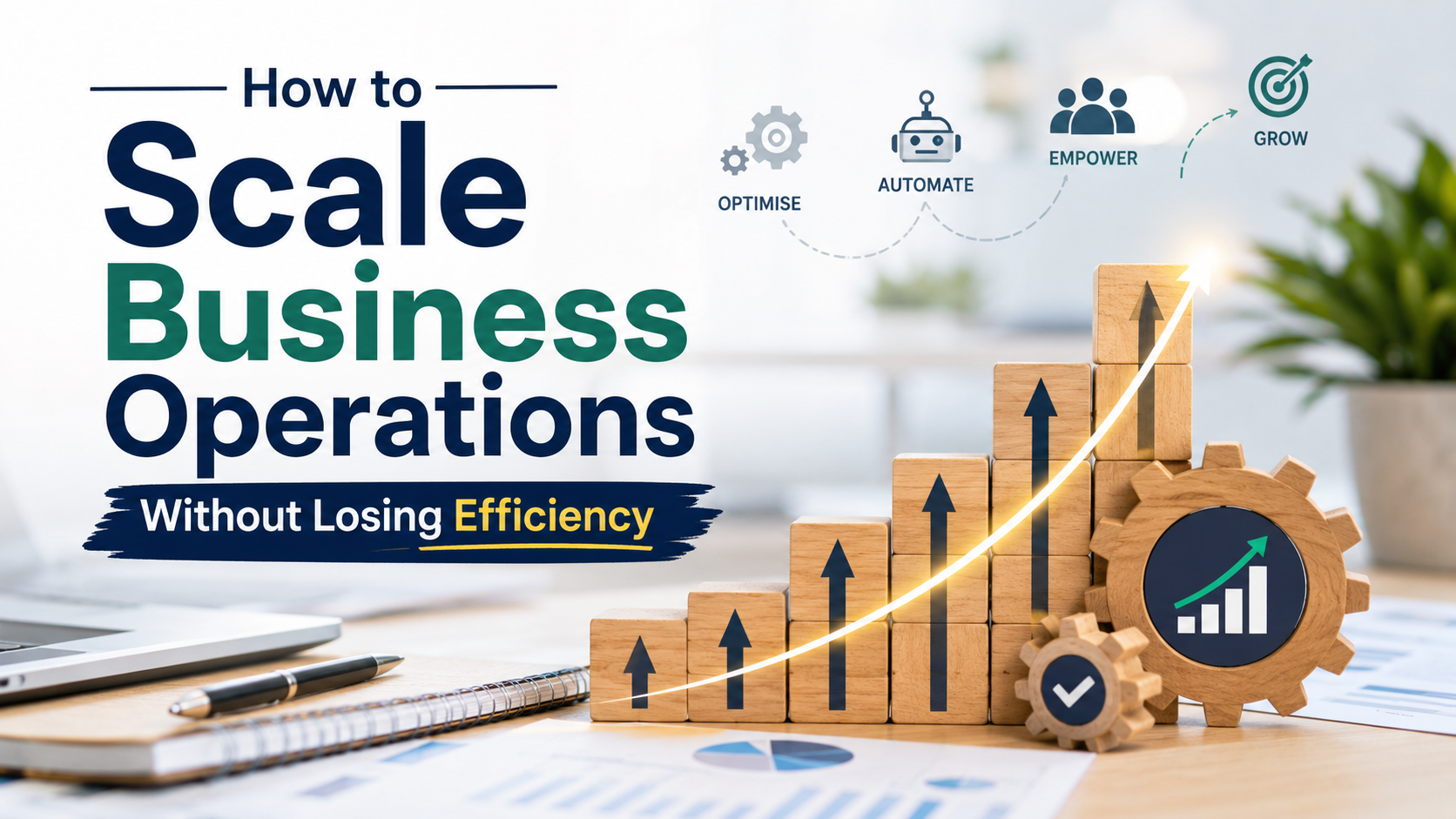

Expanding into a new market is one of the most exciting milestones for any business. It opens the door to new customers, fresh revenue opportunities, and long-term growth. But expansion also comes with risk. Entering the wrong market, misunderstanding customer needs, or moving too quickly can lead to costly mistakes.
The good news is that successful expansion isn’t about luck. It comes from careful planning, informed decision-making, and a clear strategy that guides every step of the journey.
This expansion blueprint provides a practical framework for evaluating opportunities, reducing risk, and building a strong foundation for sustainable growth. Whether you’re expanding into a new city, country, or customer segment, these steps can help you move forward with confidence.
Why Businesses Expand
Growth is often the primary reason companies explore new markets, but expansion should solve a business need rather than simply follow ambition.
Common reasons include:
- Reaching new customer groups
- Increasing revenue streams
- Reducing dependence on one market
- Staying ahead of competitors
- Launching new products in suitable regions
- Building a stronger global or regional presence
Successful companies expand because the timing, market conditions, and business readiness all align—not simply because growth seems appealing.
Step 1: Define Your Expansion Goals
Before researching new markets, clarify exactly what success looks like.
Ask yourself:
- Are you trying to increase sales?
- Do you want to diversify revenue?
- Are you entering a market where demand already exists?
- Are you following existing customers into new regions?
- Are you building a long-term international presence?
Clear objectives help shape every decision that follows.
Examples of measurable goals include:
- Increase revenue by 20% within two years.
- Launch operations in three new cities.
- Gain 5% market share within the first year.
- Build partnerships with local distributors.
Specific goals make planning far more effective.
Step 2: Research the Target Market Thoroughly
Market research is the foundation of every successful expansion.
Understand the market before investing significant time and money.
Research areas include:
Customer Demand
Learn whether customers genuinely need your product or service.
Study:
- Buying habits
- Spending patterns
- Customer preferences
- Seasonal demand
- Pain points
Real demand matters more than assumptions.
Market Size
Estimate the opportunity realistically.
Consider:
- Population
- Industry growth
- Customer purchasing power
- Digital adoption
- Economic outlook
Large markets are attractive, but smaller markets with less competition can often provide better opportunities.
Competitor Analysis
Study competitors carefully.
Look at:
- Pricing
- Product quality
- Customer reviews
- Marketing strategies
- Distribution methods
- Brand positioning
Competitors reveal valuable insights about customer expectations and market gaps.
Step 3: Evaluate Market Entry Risks
Every market carries unique challenges.
Identify risks early instead of reacting later.
Common risks include:
- Regulatory changes
- Political instability
- Currency fluctuations
- Economic uncertainty
- Cultural misunderstandings
- Supply chain disruptions
- Local competition
Create a simple risk assessment matrix by ranking each risk according to:
- Likelihood
- Business impact
- Mitigation strategy
Preparation reduces surprises.
Step 4: Understand Local Customers
One of the biggest expansion mistakes is assuming customers behave the same everywhere.
Every market has unique preferences.
Understand:
- Shopping behavior
- Cultural values
- Communication style
- Preferred payment methods
- Customer service expectations
- Product preferences
Local customer research often uncovers opportunities that competitors overlook.
Step 5: Review Legal and Regulatory Requirements
Compliance should never become an afterthought.
Research regulations before launching.
Areas to understand include:
- Business registration
- Import and export rules
- Product certifications
- Employment laws
- Taxes
- Consumer protection regulations
- Privacy requirements
- Licensing
Working with local legal experts often saves both time and money.
Step 6: Choose the Right Market Entry Strategy
Different businesses require different approaches.
Popular expansion models include:
Direct Sales
Selling directly to customers using your own team.
Best for:
- Strong brands
- High-margin products
- Businesses wanting greater control
Local Partnerships
Working with established local companies.
Benefits include:
- Faster market access
- Local expertise
- Reduced operational risk
- Existing customer relationships
Distribution Partners
Distributors already understand regional logistics and retail networks.
This approach often works well for manufacturing businesses.
Franchising
Businesses with proven systems may expand through franchise partners.
Advantages include:
- Lower capital investment
- Faster growth
- Local ownership
- Shared operational responsibility
Joint Ventures
Two businesses combine resources to enter a market together.
Joint ventures reduce financial risk while leveraging local experience.
Step 7: Adapt Without Losing Your Brand
Consistency builds trust, but flexibility drives growth.
Successful businesses adapt carefully.
Examples include:
- Local language marketing
- Region-specific product features
- Cultural branding adjustments
- Local pricing strategies
- Country-specific promotions
Adapt your offering while maintaining your core brand identity.
Customers should recognize your business regardless of location.
Step 8: Build a Reliable Supply Chain
Expansion depends on consistent operations.
Evaluate:
- Suppliers
- Manufacturing capacity
- Shipping costs
- Inventory management
- Warehousing
- Delivery times
- Backup suppliers
A resilient supply chain protects customer satisfaction during growth.
Step 9: Develop a Financial Expansion Plan
Growth requires investment.
Estimate both startup and ongoing costs.
Budget for:
- Market research
- Hiring
- Marketing
- Technology
- Office space
- Inventory
- Legal services
- Logistics
- Customer support
Also prepare for slower-than-expected revenue during the early stages.
Cash flow planning is essential.
Step 10: Create a Local Marketing Strategy
Marketing that succeeds in one country may not work elsewhere.
Build campaigns based on local behavior.
Focus on:
- Search engine optimization (SEO)
- Social media marketing
- Local influencers
- Email marketing
- Paid advertising
- Public relations
- Community engagement
Local messaging often outperforms generic global campaigns.
Step 11: Hire the Right Team
People determine expansion success.
Build a team that understands both your company culture and the local market.
Look for:
- Industry knowledge
- Cultural awareness
- Communication skills
- Problem-solving ability
- Leadership experience
Invest in training so every employee understands your business standards.
Step 12: Test Before Scaling
Avoid expanding too quickly.
Start with a pilot launch.
Test:
- Customer demand
- Pricing
- Marketing campaigns
- Delivery systems
- Customer support
- Product acceptance
Gather customer feedback and refine your approach before making larger investments.
Testing reduces risk while improving long-term results.
Step 13: Measure Performance Continuously
Expansion doesn’t end after launch.
Track performance regularly.
Key performance indicators (KPIs) include:
- Revenue growth
- Customer acquisition cost
- Customer retention
- Profit margins
- Market share
- Website traffic
- Conversion rates
- Customer satisfaction
- Brand awareness
Review results monthly and adjust strategies when needed.
Continuous improvement drives sustainable growth.
Common Expansion Mistakes to Avoid
Many expansion challenges can be prevented with better planning.
Avoid these common mistakes:
- Expanding before the business is ready
- Ignoring cultural differences
- Underestimating competition
- Skipping detailed market research
- Poor financial planning
- Choosing the wrong local partners
- Overlooking legal compliance
- Growing faster than operations can support
- Failing to localize marketing
- Ignoring customer feedback
Learning from these mistakes saves valuable time and resources.
Signs You’re Ready to Expand
Not every successful business is prepared for expansion.
You’re more likely to succeed if you have:
- Consistent profitability
- Stable cash flow
- Repeat customers
- Strong operational systems
- Scalable technology
- Reliable leadership
- Clear brand positioning
- Proven product-market fit
Expanding from a strong foundation significantly increases your chances of long-term success.
Frequently Asked Questions
How do I know which market to enter first?
Compare market demand, competition, customer behavior, regulatory requirements, and operational costs. Choose the market that offers the best balance of opportunity and manageable risk.
Should small businesses expand internationally?
Yes, if they have a proven business model, sufficient resources, and a clear understanding of the target market. Starting with a nearby or culturally similar market often reduces complexity.
How long does market expansion usually take?
The timeline depends on the industry and entry strategy. Many businesses spend several months on research and planning before launching, while larger international expansions may take a year or more.
Why is localization important?
Localization helps your products, services, and marketing resonate with local customers. Adapting to language, culture, pricing, and customer expectations improves trust and increases the likelihood of success.
Conclusion
Successful market expansion is built on preparation, not guesswork. Businesses that take the time to understand new markets, define clear goals, manage risks, and adapt to local customer needs are far more likely to achieve lasting growth.
Think of expansion as a journey rather than a single event. Each step—from research and planning to testing, launching, and continuous improvement—helps create a stronger, more resilient business. By following a structured expansion framework, you can enter new markets with greater confidence, reduce costly mistakes, and position your company for sustainable success both today and in the years ahead.